
The Bog
The Bog
As part of the Wetlands for Life Campaign we thought it would be a good idea to actually visit one!
Given the ongoing debate about the bogs, we would only like to share some thoughts, and not make a comment between rural traditions of cutting peat for fuel and modern efforts to protect these wetlands for the climate and wildlife.
Ireland’s bogs have existed for over 9 thousand years and they are essentially archaeological time capsules. At the start of the 19th century they became a key source of fuel for the small farming communities.
Ireland has two main types of true peat bogs—raised bogs and blanket bogs—rather than a single fixed count of individual bog systems.
Note: The Irish Peatland Conservation Council (IPCC) tracks over 1,150 distinct peatland sites nationwide, encompassing both types across thousands of hectares.
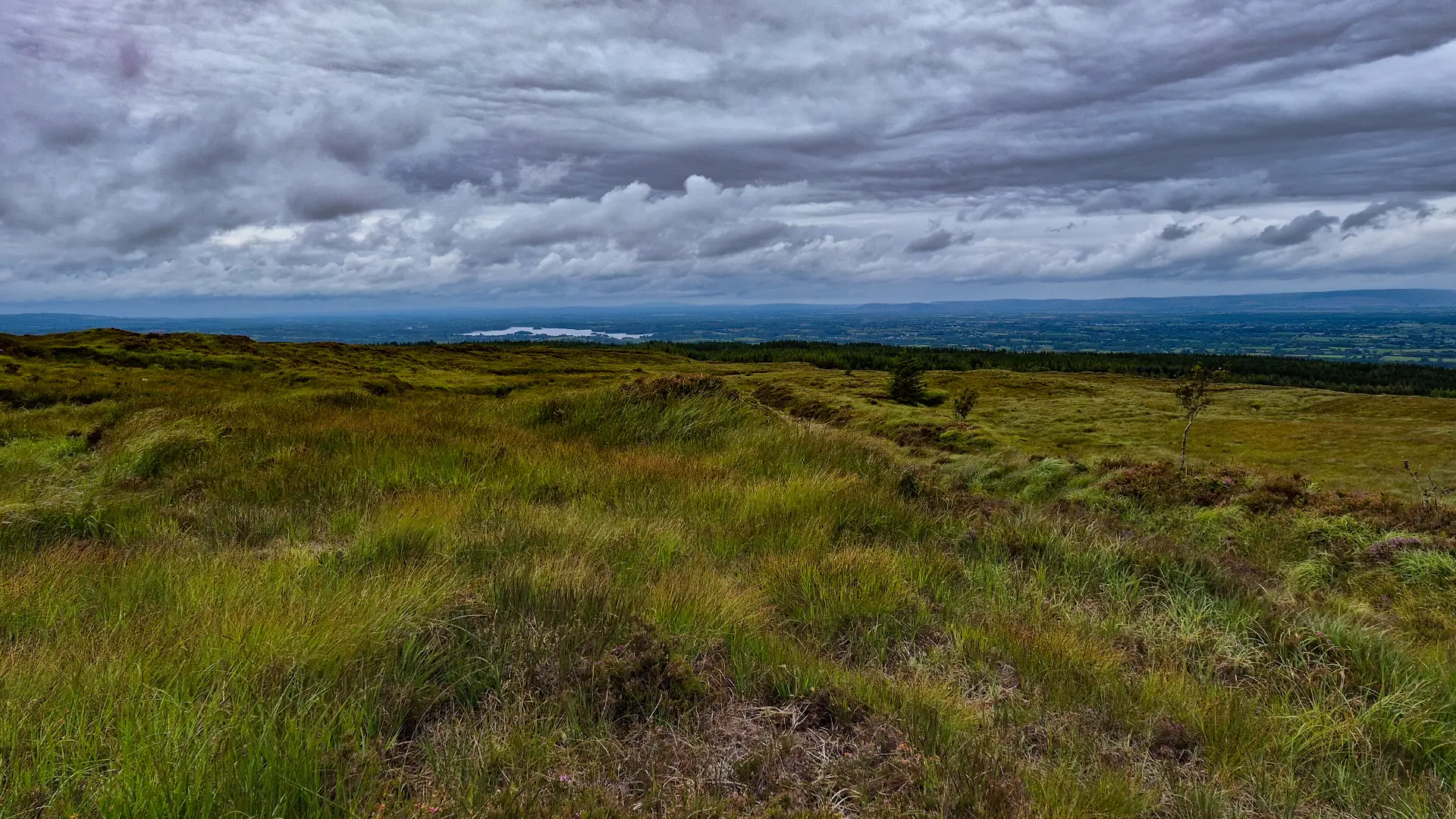
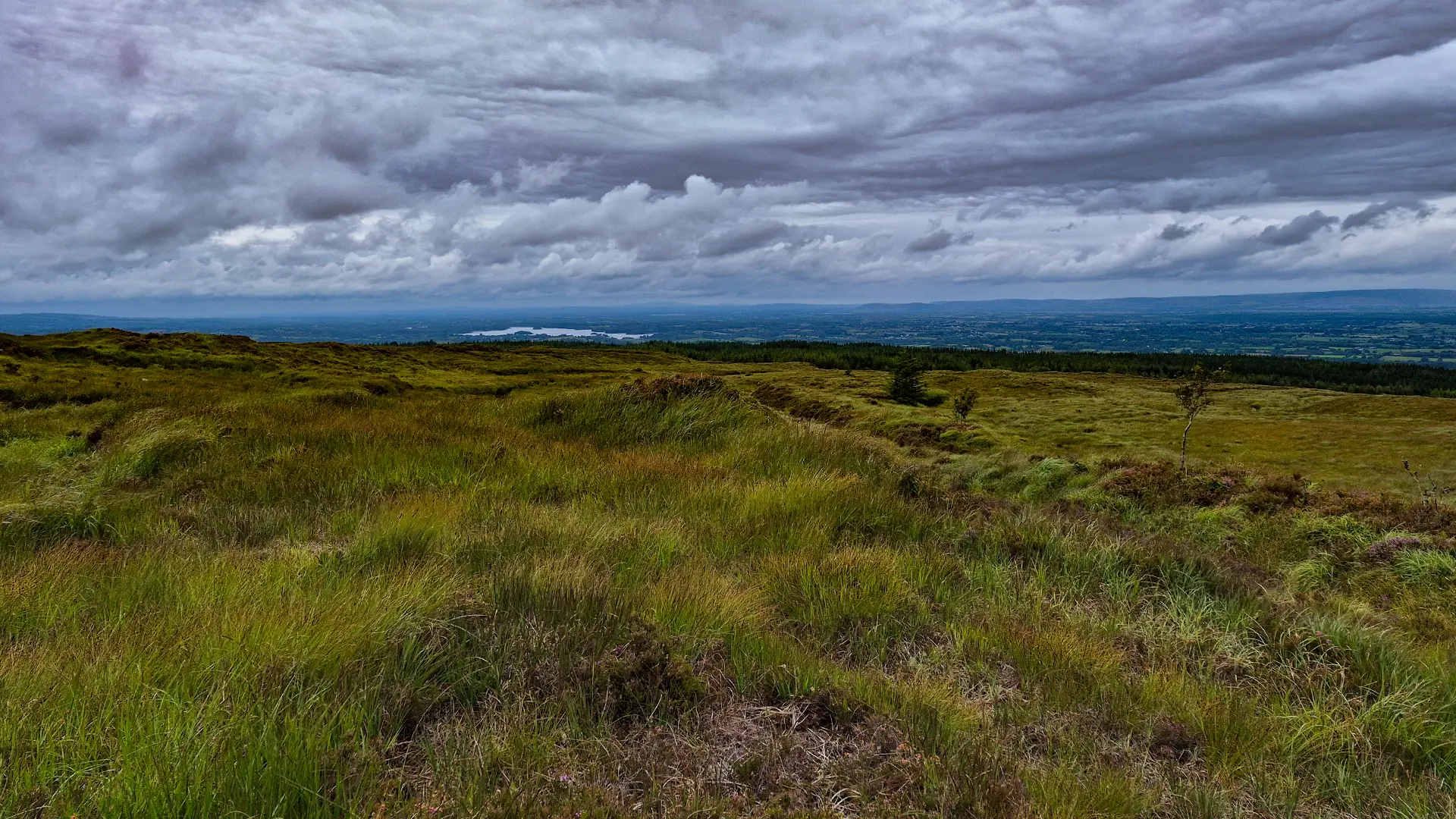
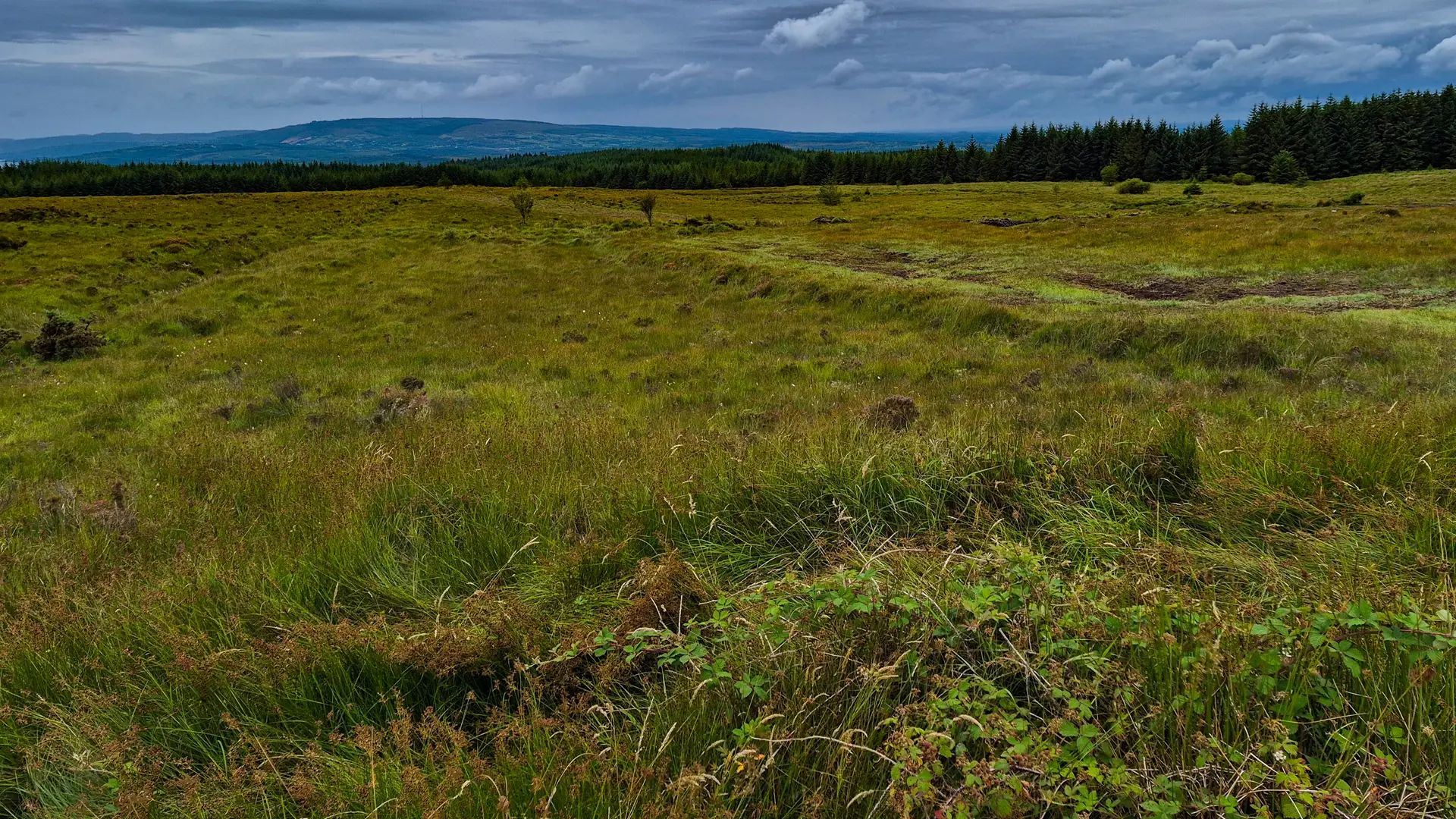
Galway County would hold most of the Blanket Bogs found across mountainous areas and large hills. The Blanket Bog literally falls across the contours of these hills like a blanket, so it’s a great visual.
The environmental benefits of bogs
In addition to their benefits to humans, our peat bogs are a rich habitat for plants and animals, many of which are considered at risk or endangered.
There is no doubt that these bogs are at the centre of discussion between culture and nature.
What is it like to visit a Bog?
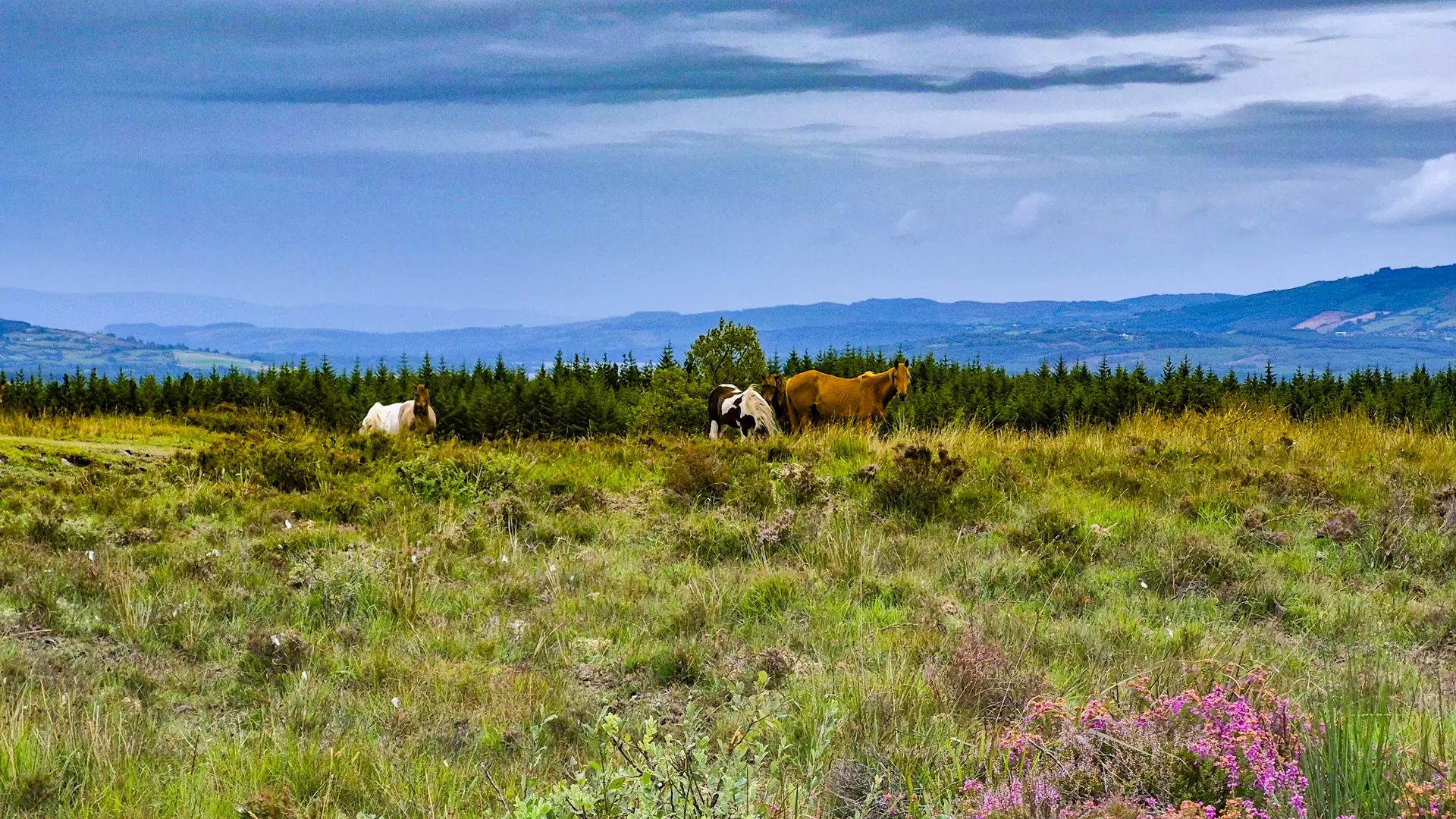
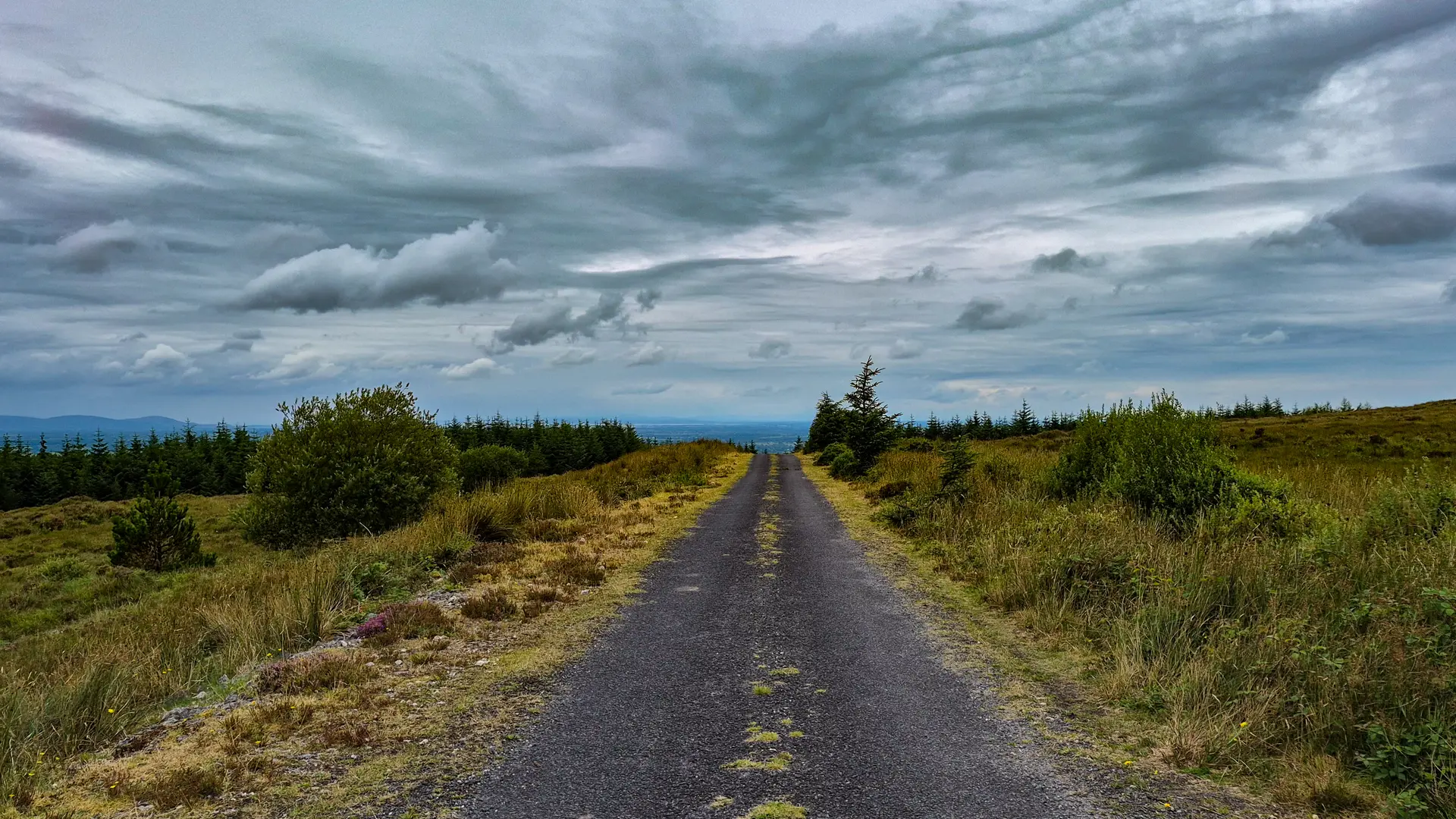
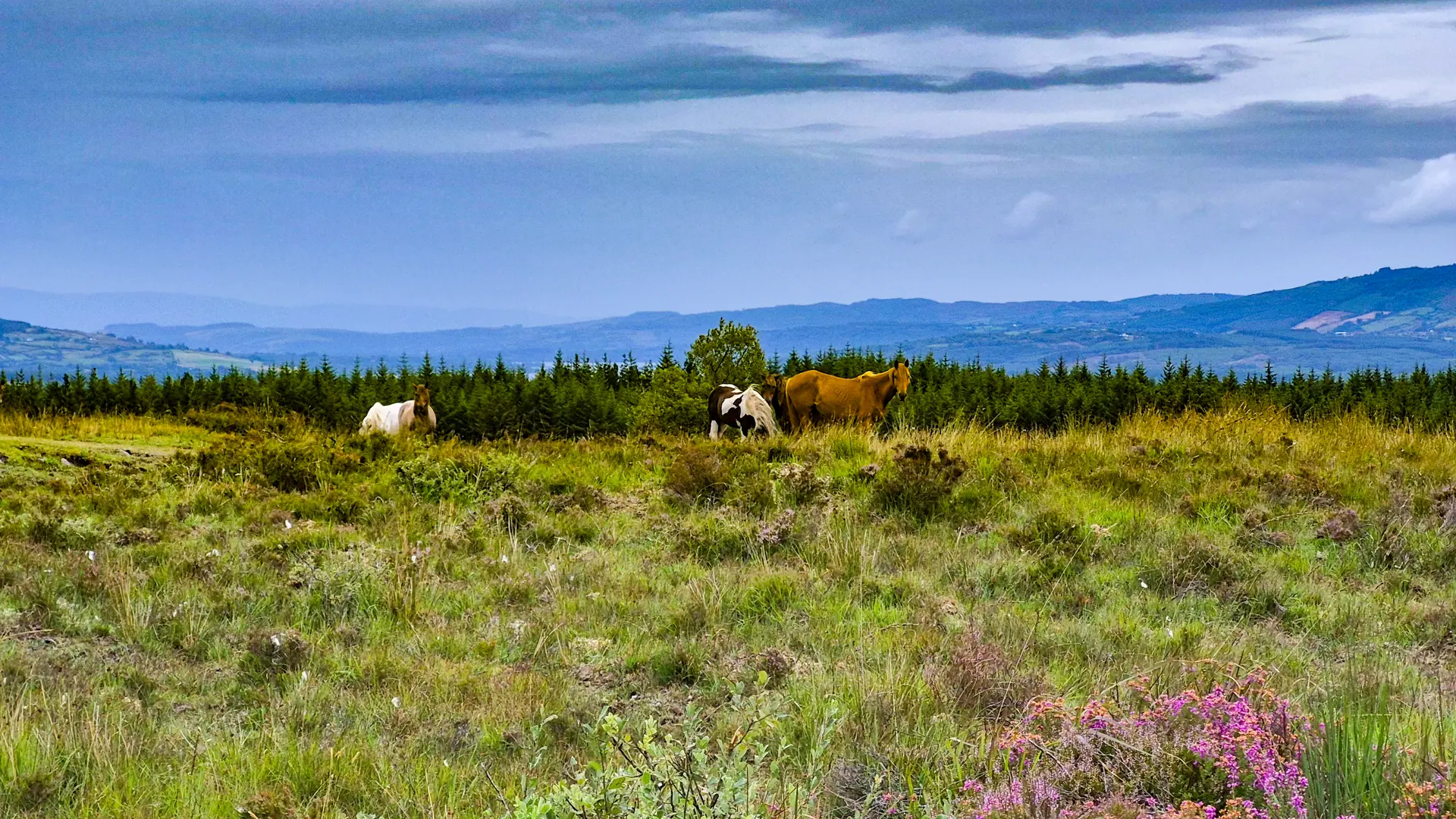
On the day of our visit we took a long walk up a hill in Hollymount Co. Galway. It was a really calm day, the quality of the air and the sense of peace was really amazing. As we topped the 200 metre elevation, we saw a verdant, lush, green landscape. We were told a few stories about the area and as there are loads of pine trees and an elevation the air is so much more healthy than anywhere else.
As this Blanket bog is managed by a small local community you can see there is one main dirt road, with a series of branches to access each community’s bog.
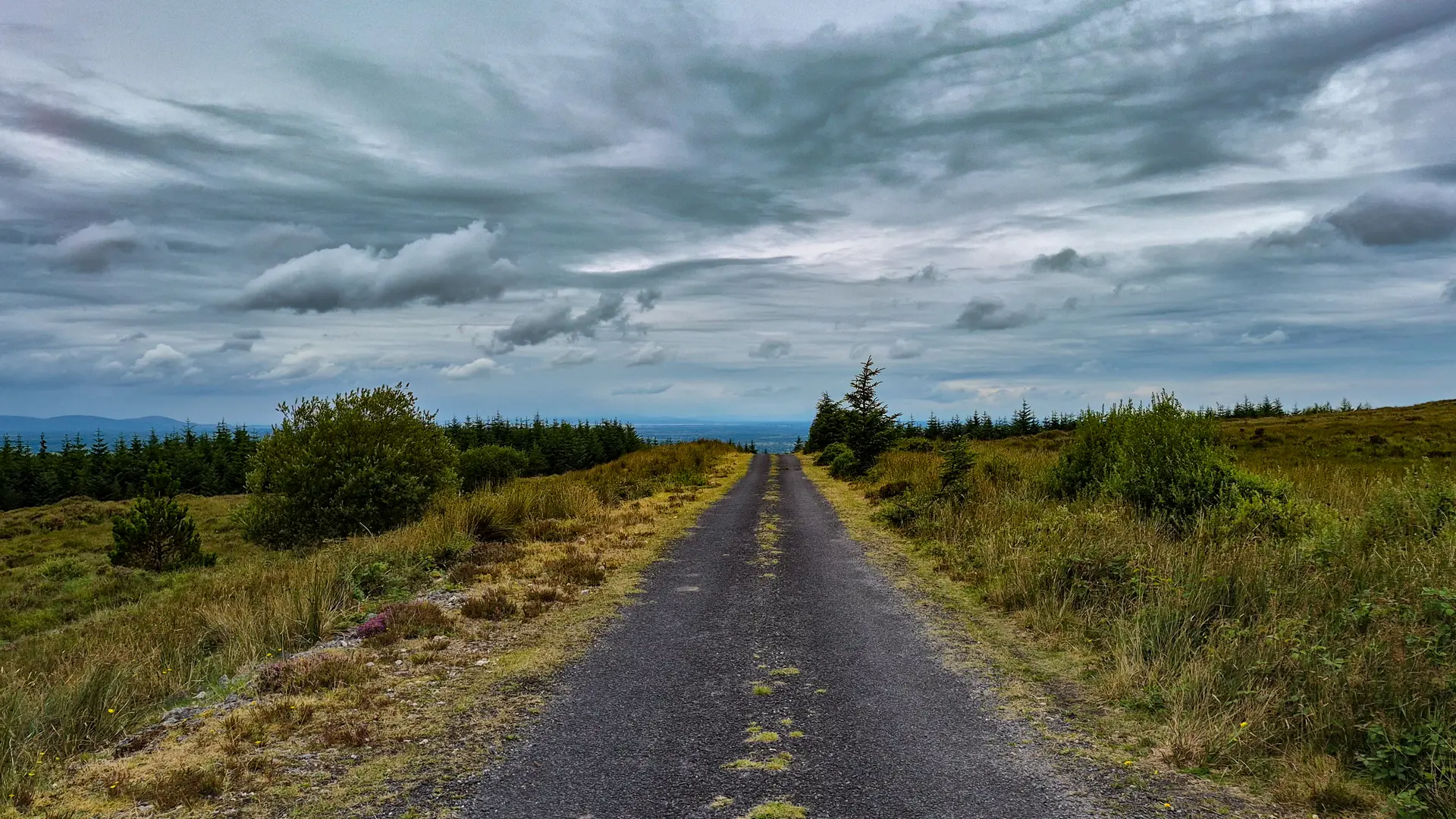
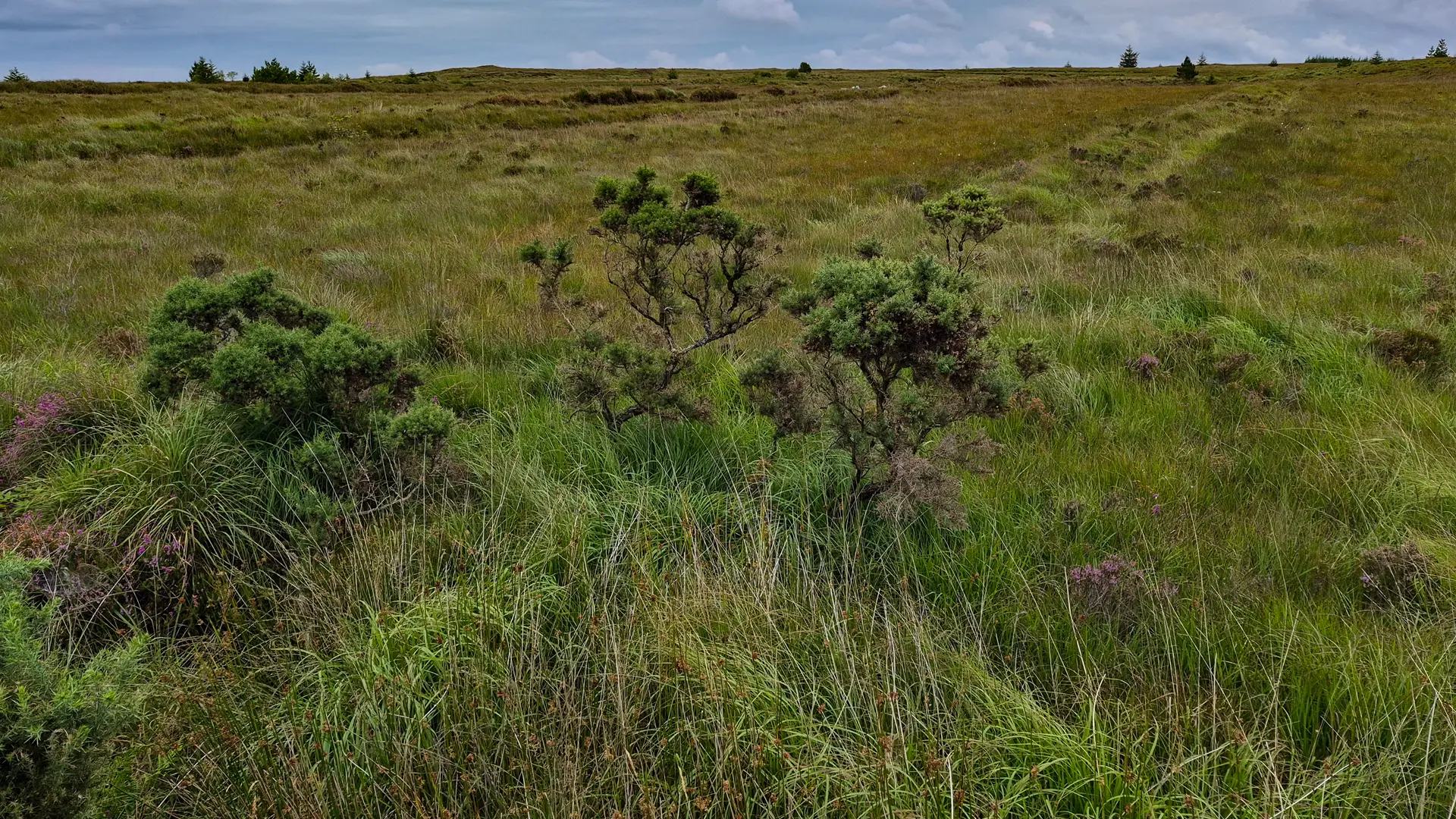
Trekking through a bog is an unusual experience too, the surface feels bouncy and or spongy.
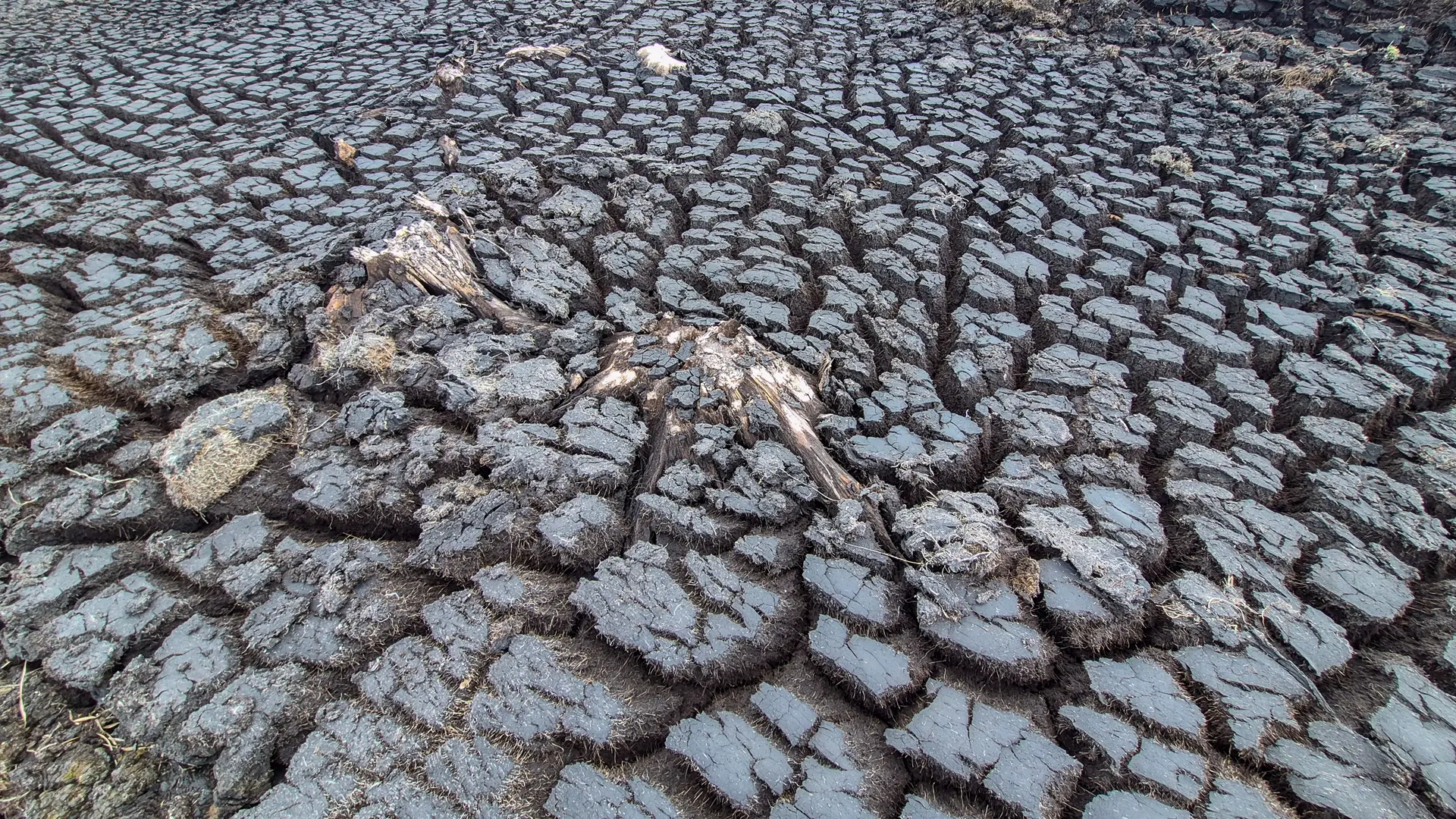
When you come across the turf it looks like an alien planet, pure black with large cracks across the surface, there are ancient tree trunks scattered about. It is a surreal view.
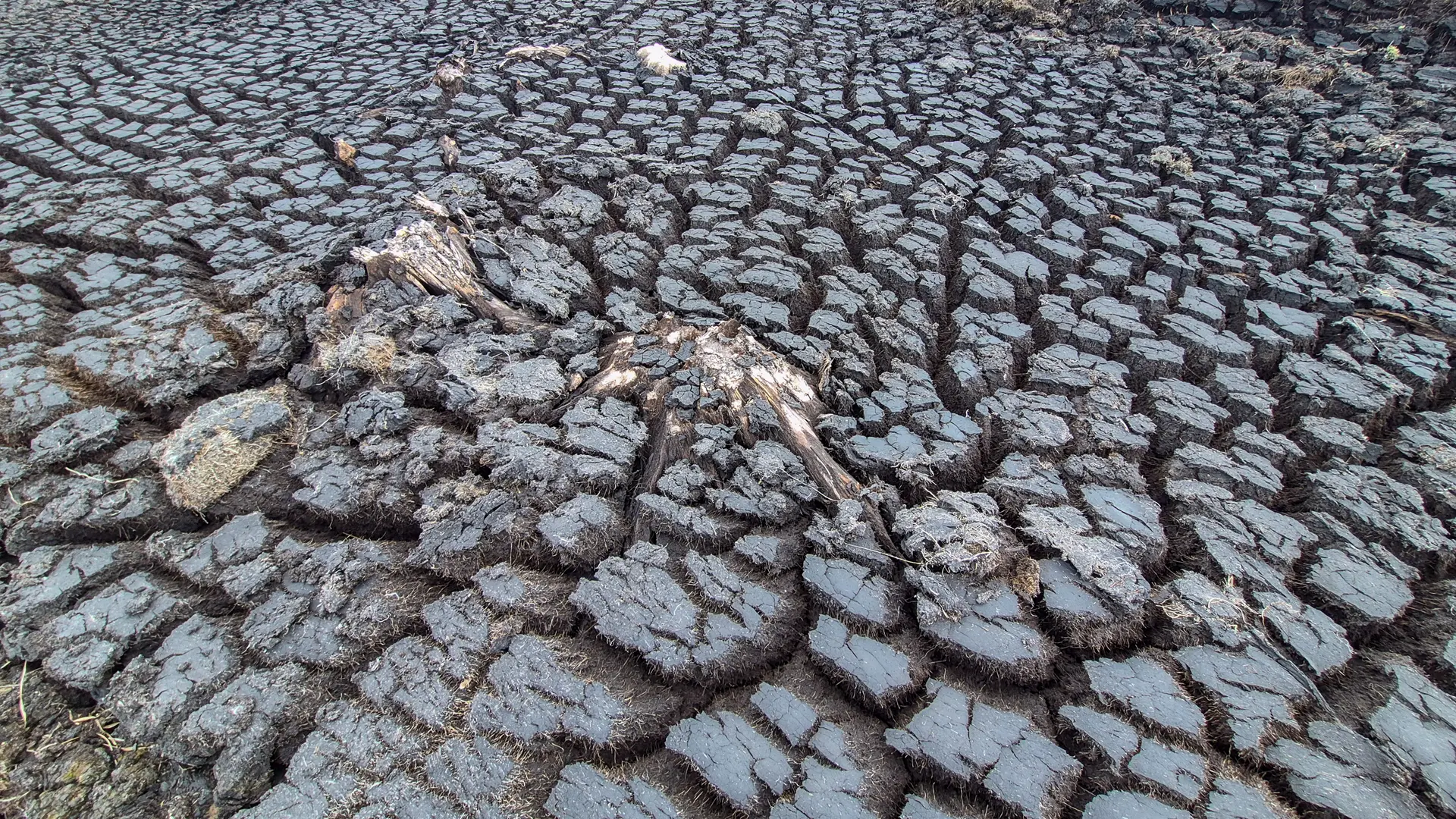
The smell is amazing too, fresh yet you can almost taste the bog?
What Biodiversity is around?
We don’t know….meaning, as the first visit we did not have any clue as to what we could discover. This is the beauty of citizen science, you just want to explore and have no preconceived notions, an adventure! Thanks to our experience with Explore Your Shore! We have a good baseline to ‘see’ nature.
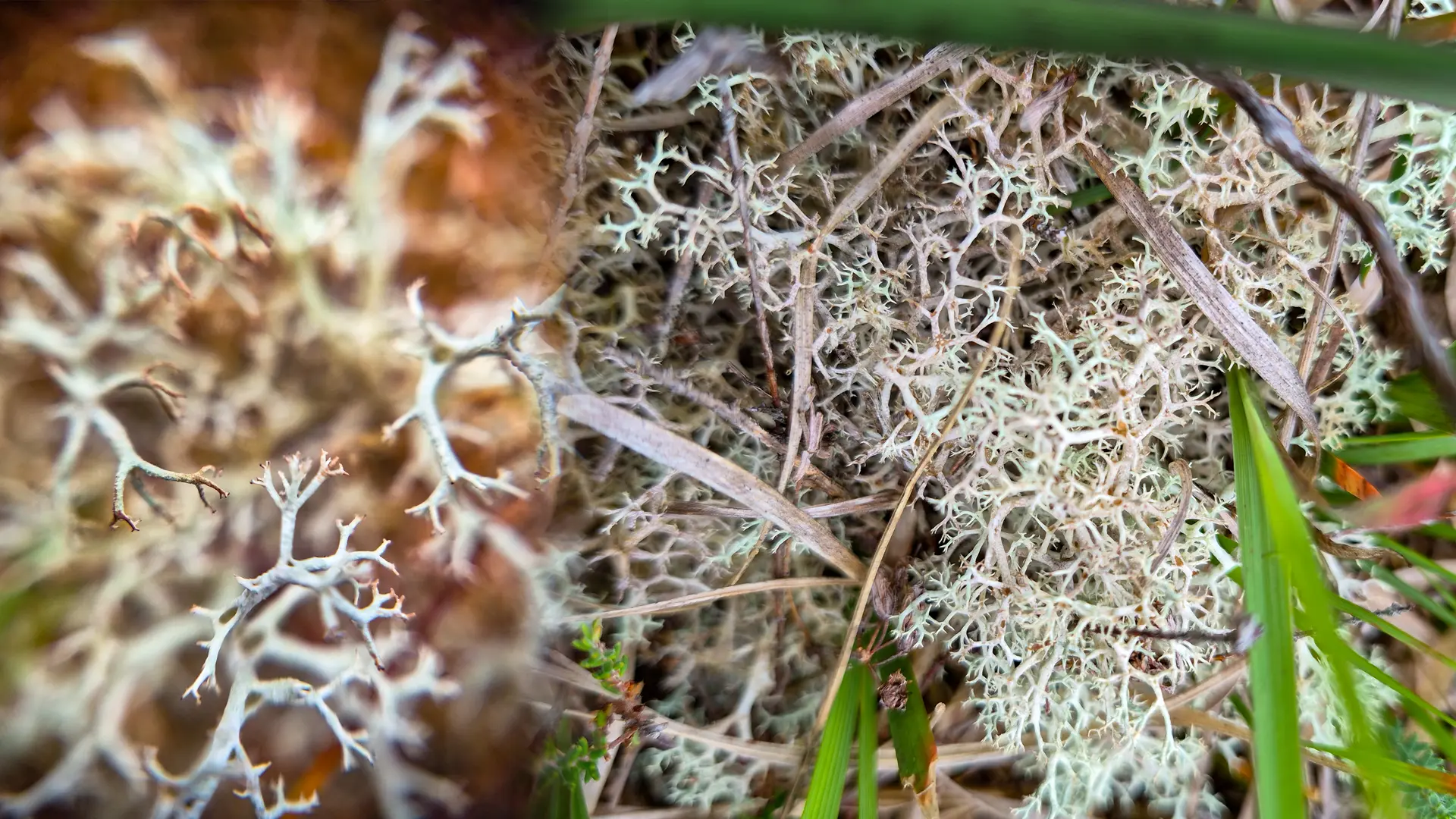
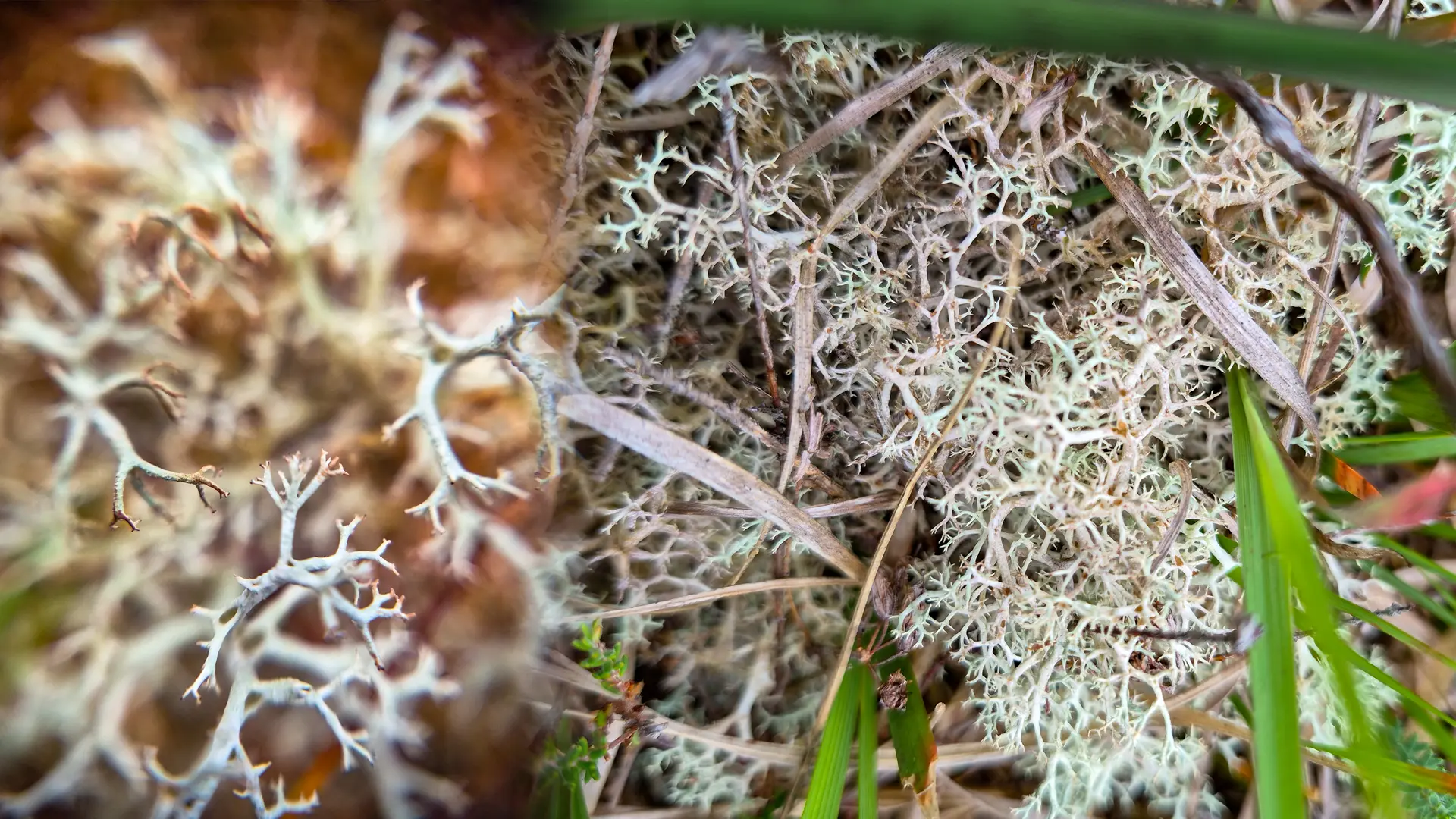
One of the most stunning species we spotted was Reindeer lichen (Cladonia sp) and it acts as a wilderness indicator for open, undisturbed acidic terrain.
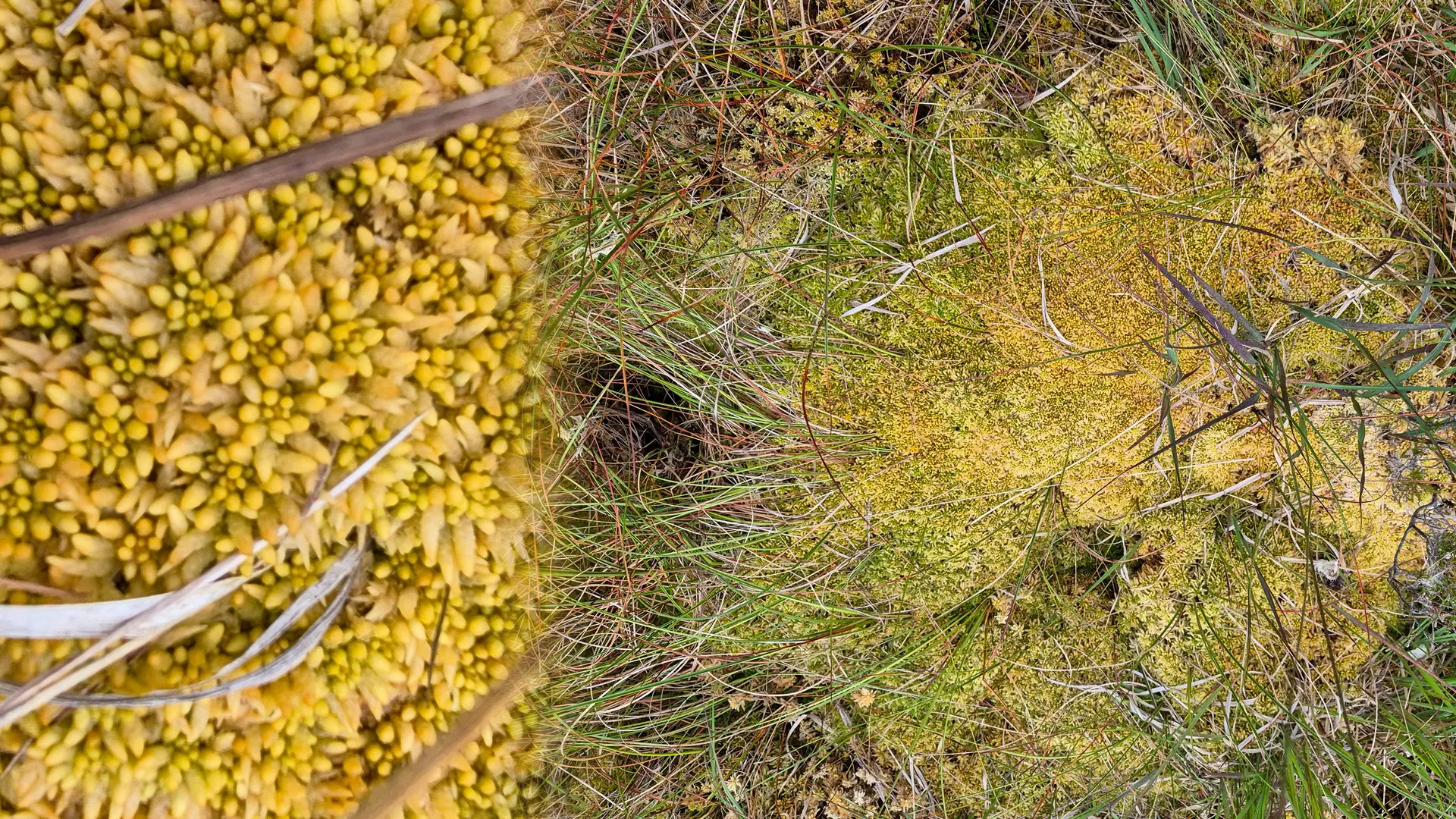
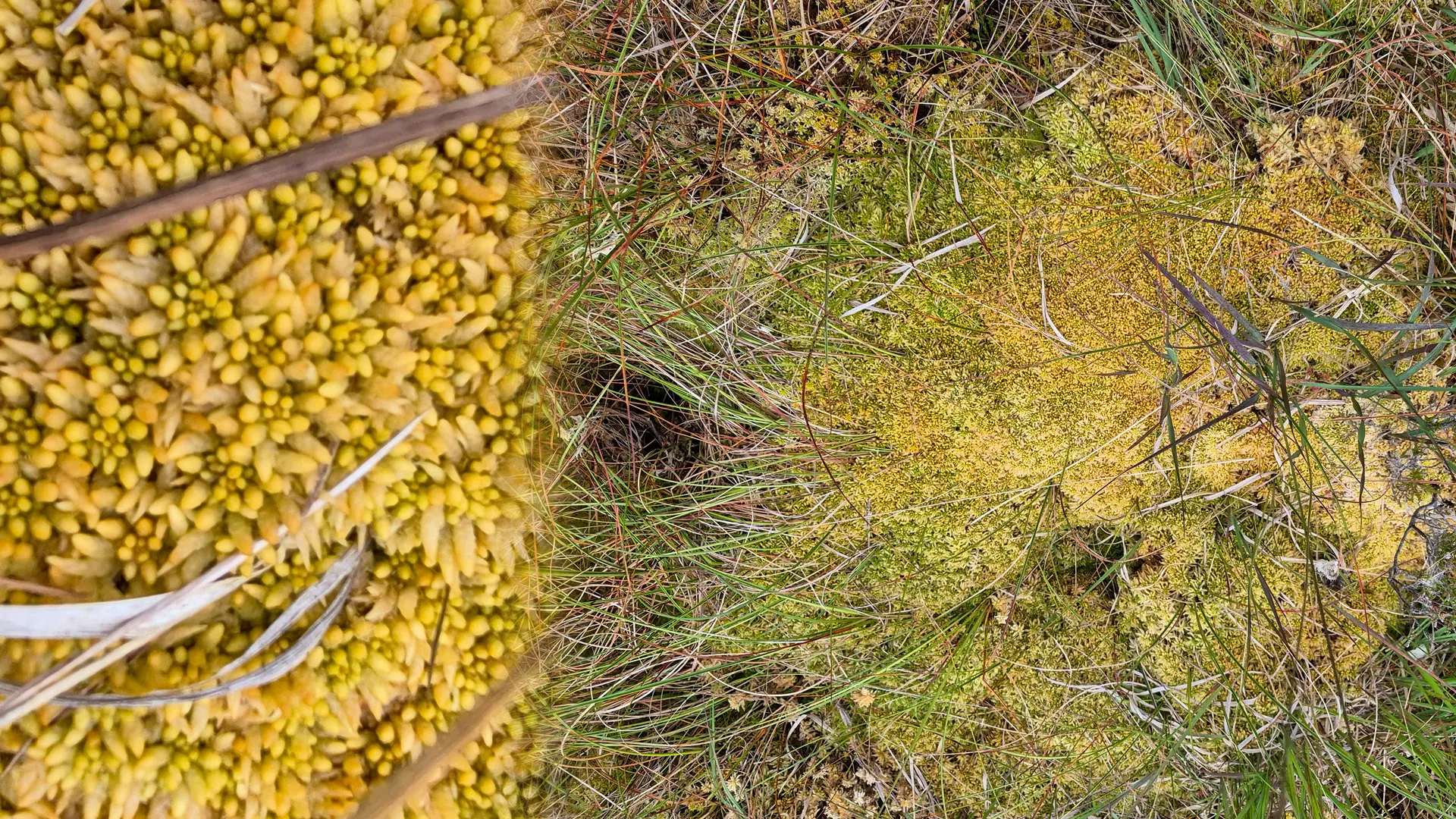
As we explored we also found Peat moss/bog moss (Sphagnum sp) without Sphagnum, there would be no bogs in Ireland. Sphagnum acts like a massive sponge, holding up to 20 times its own dry weight in water. This regulation helps maintain the high water table required to keep the bog ecosystem alive.
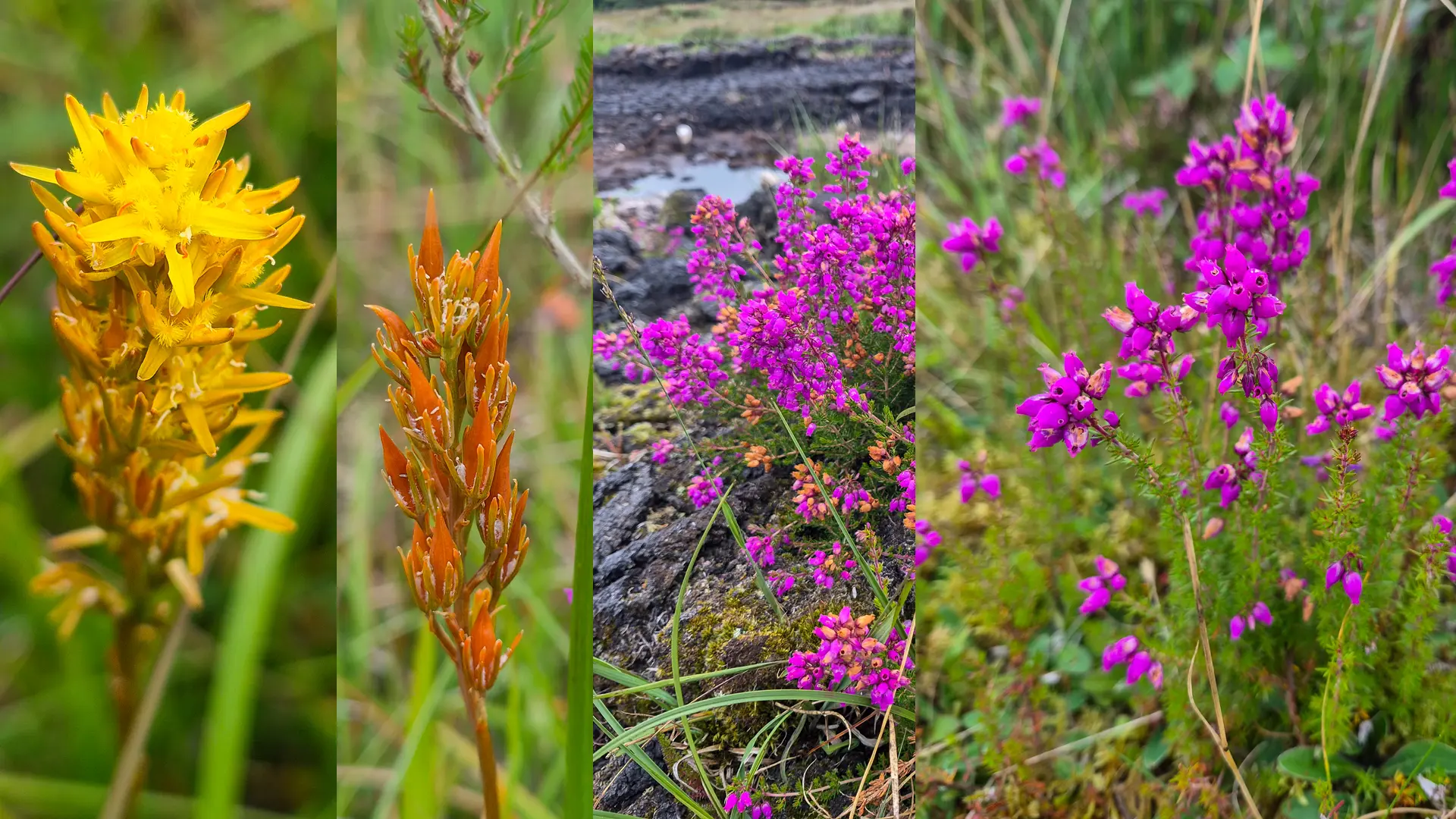
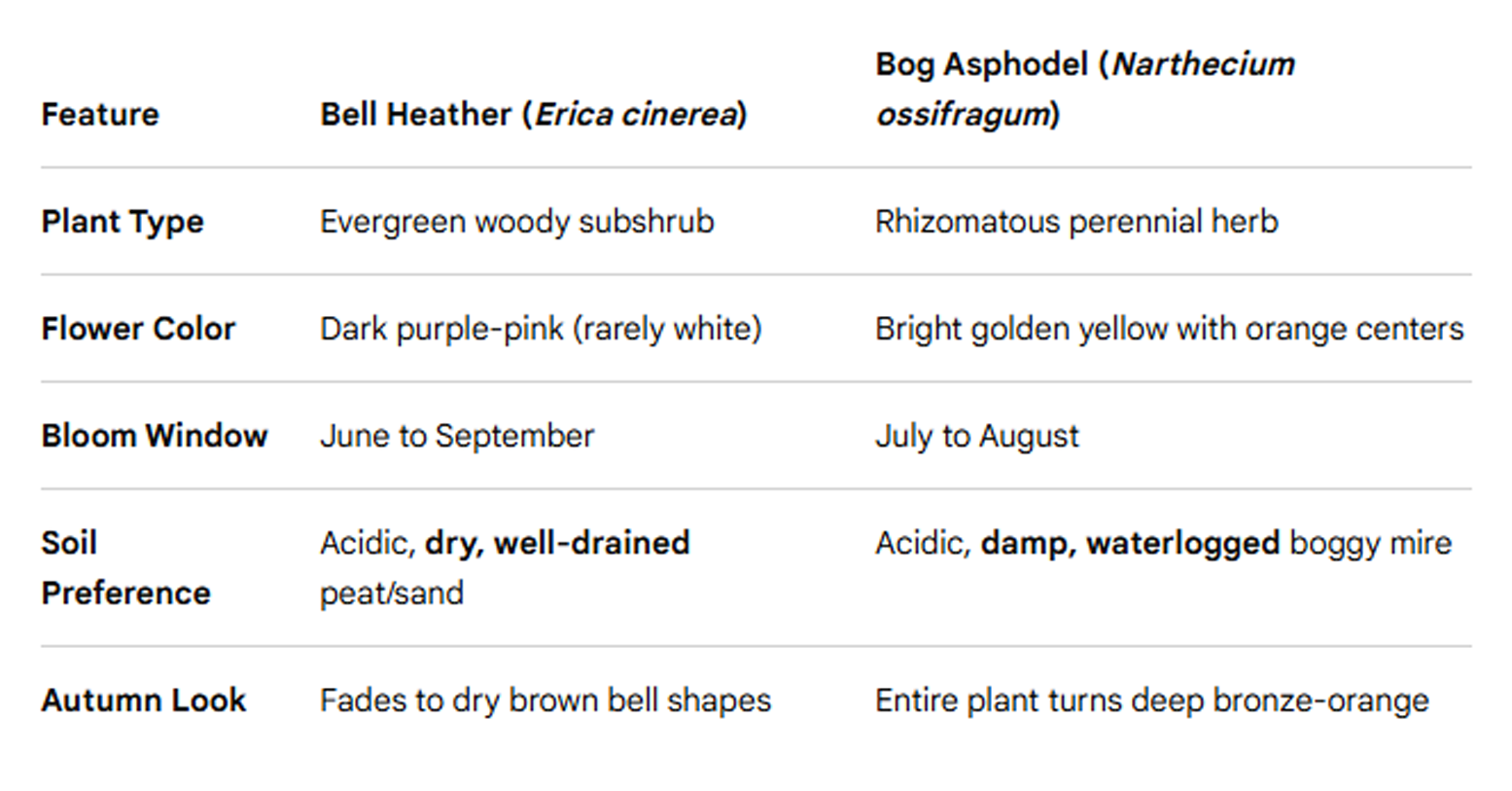
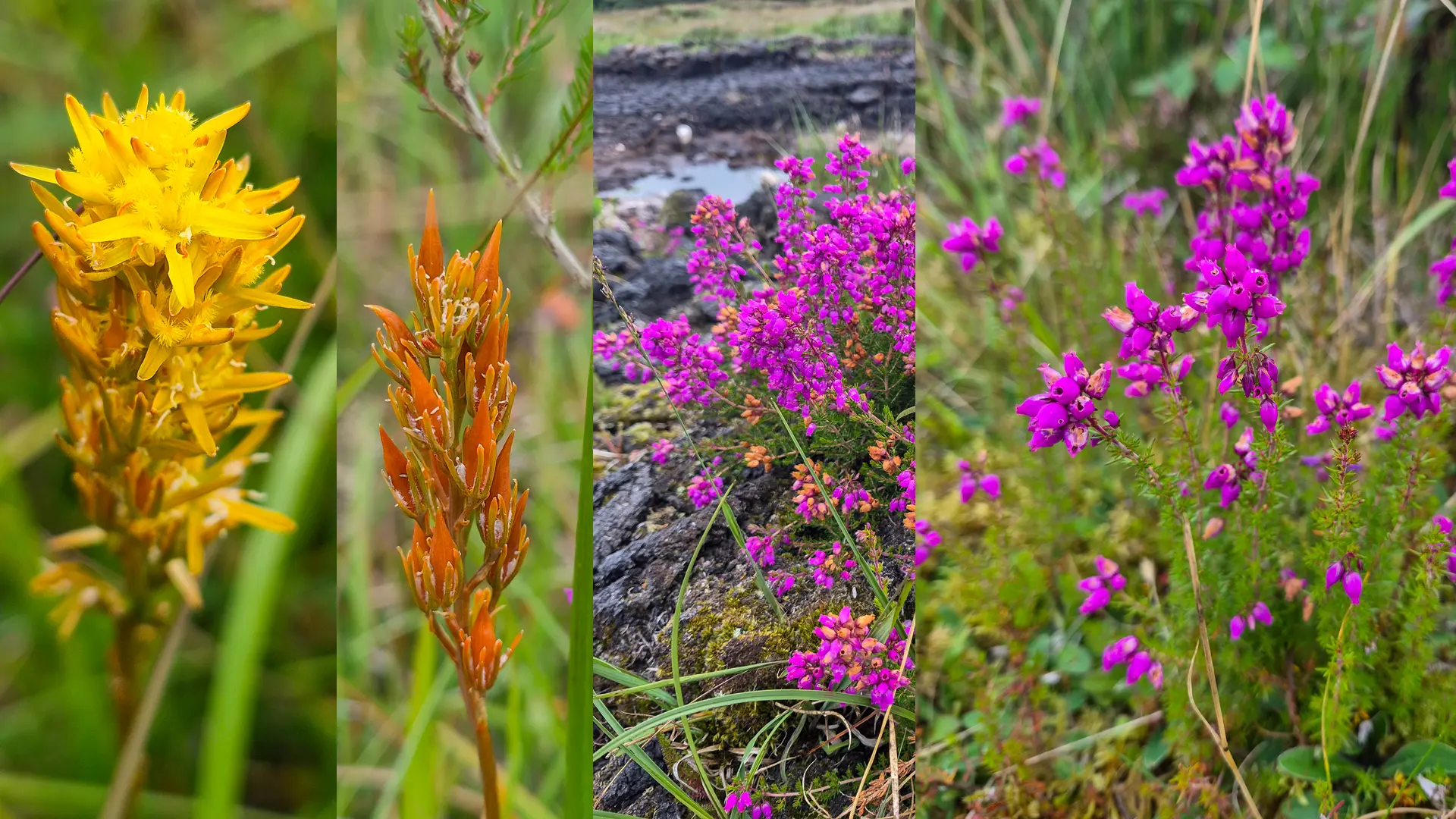
We found Bell heather (Erica cinerea) and Bog asphodel (Narthecium ossifragum). They are two iconic, native European wildflowers that frequently grow near each other in heathlands, moorlands, and bogs. Yet they occupy subtly different ecological niches primarily dictated by soil moisture, drainage, and oxygen availability.
Summary
A visit to the bog is a pretty unique experience, it is a relatively untouched hub of biodiversity and history. After visiting the bog we learned that:
- Bogs are wetlands made of peat, plants and water combined together. Peat is the result of the accumulation of partially decayed plants over thousands of years.
- Blanket bogs are valuable wetlands, not wastelands. There are a number of scientific, economic, cultural and moral reasons for conserving blanket bogs.
- Blanket bogs are commonly used as rough grazing land for sheep and cattle, grouse shooting, deer stalking and fishing.
- Blanket bogs accumulate and store millions of tonnes of carbon and have a vital function in controlling the greenhouse gases that cause climate change.
- Blanket bogs contain in excess of 90% water and act as vast water reservoirs. They have a vital role to play in the management of water within river catchments.
- Blanket bogs and their utilisation for recreation can have positive benefits on the health of people.
- Bog Mosses or Sphagnum are the most important plants on bogs. They form a living multi-coloured carpet over the entire surface of the bog.
There is no doubt that these and other wetland critical ecosystems cover a small percentage of Earth’s surface but store 30% of land-based carbon, supply vital freshwater, buffer against extreme weather like floods and droughts, and support over 100,000 known freshwater species.
There is a good call to restore and protect them, however most bogs are at the heart of communities, and they do look after the bog too. The bog we visited was well maintained, clean etc, they are working the bog but also maintaining it.
So, at the end of our presentation of the bog, we hope that it is educational, and a visit is most enjoyable.
In 2027, we hope to revisit the same bog and celebrate its place in culture and history.
Celebrating the brilliance of bogs
Bog Day is celebrated around the world every year on the fourth Sunday in July.
In 2027 we hope to be celebrating the brilliance of bogs on Sunday 25 July 2027.
WETLANDS FOR LIFE
To learn more about the Wetlands For Life Campaign, see;
https://wetlandsforlife.eaza.net
Sources
https://dri.ie/news/irelands-glorious-peat-bogs
https://www.raisedbogs.ie/history-4
https://www.ipcc.ie/wp/wp-content/uploads/2016/02/Bogland_Habitat-guide.pdf