
What are Marine Bio-Engineers
Blog inspired by Amelia Walker Flag Design Architecture at the Edge festival, 2026

.
The Bio Engineers, Bio Concrete, Builders of the Rocky Shore, & Marine biomimicry
Democratic Marine design, ‘Le Chéile – the Architectures of Belonging’
What can we learn from nature, especially in relation to architecture?
Marine life designs useful, beautiful, and sustainable resources for us, they are free, and they are cost effective, they are resilient, they are influential & solve engineering problems, and they most importantly are medicinal & life giving!
Democratic Design is a philosophy about sustainability and accessibility.
Bio-engineers and Biomimicry
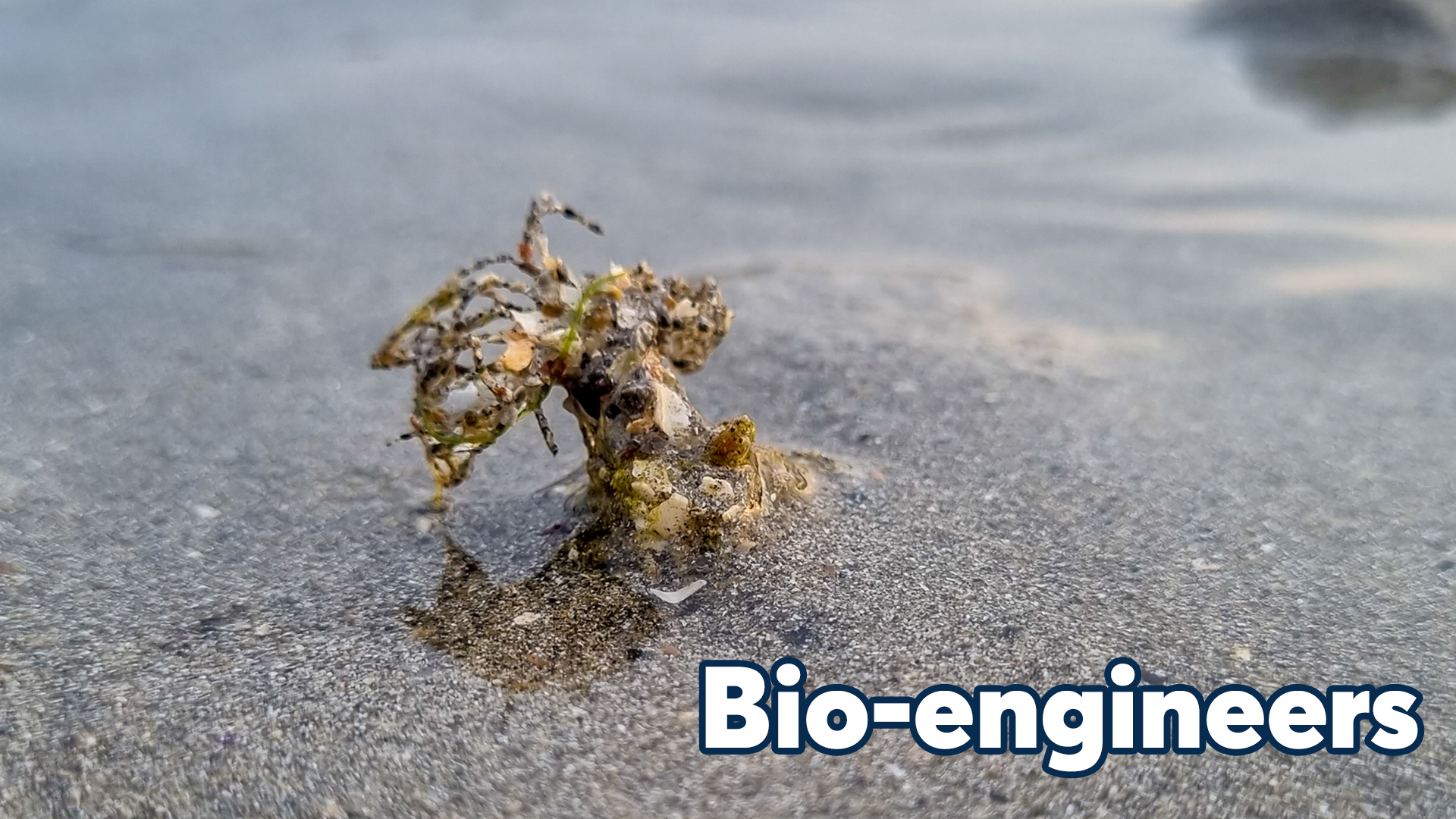
This worm builds a ‘tree’, essentially a tube (made from mucus and shell fragments) with a series of branches at the top. A vital “ecosystem engineer” that stabilizes coastal sediments, prevents erosion, and boosts marine biodiversity.
The Honeycomb worm protects coastlines from erosion and supports marine biodiversity by building large, stable biogenic reefs.
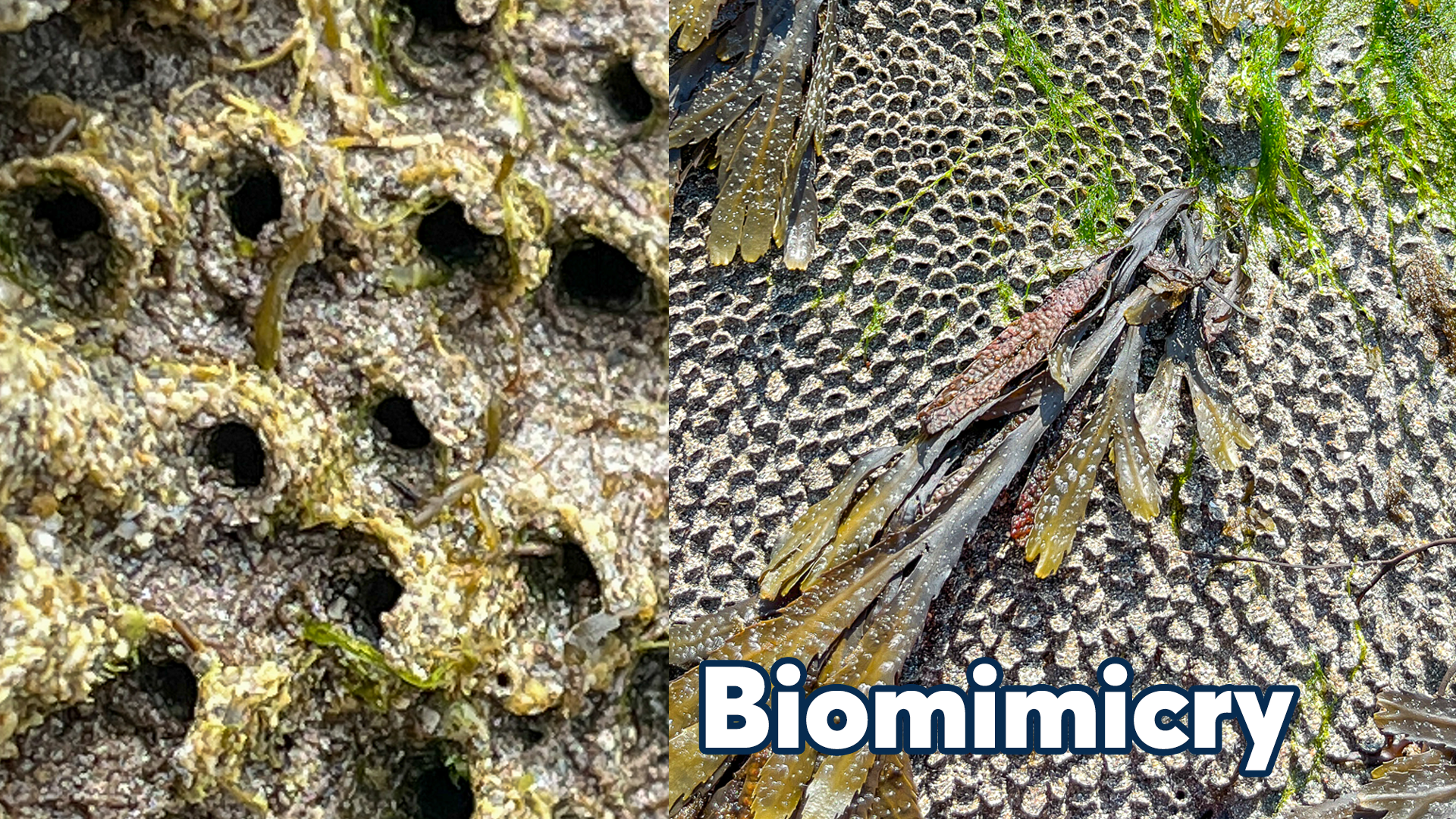
Biomimicry is the practice of learning from nature’s strategies, designs, and processes to solve human challenges sustainably
What can they teach us?
The honeycomb worm (Sabellaria alveolata) and the sandmason worm (Lanice conchilega) are master marine bio-engineers that offer powerful lessons in biomimicry, sustainable architecture, and ecosystem restoration
The Bivalves or Shells on the Shore – Bio Concrete
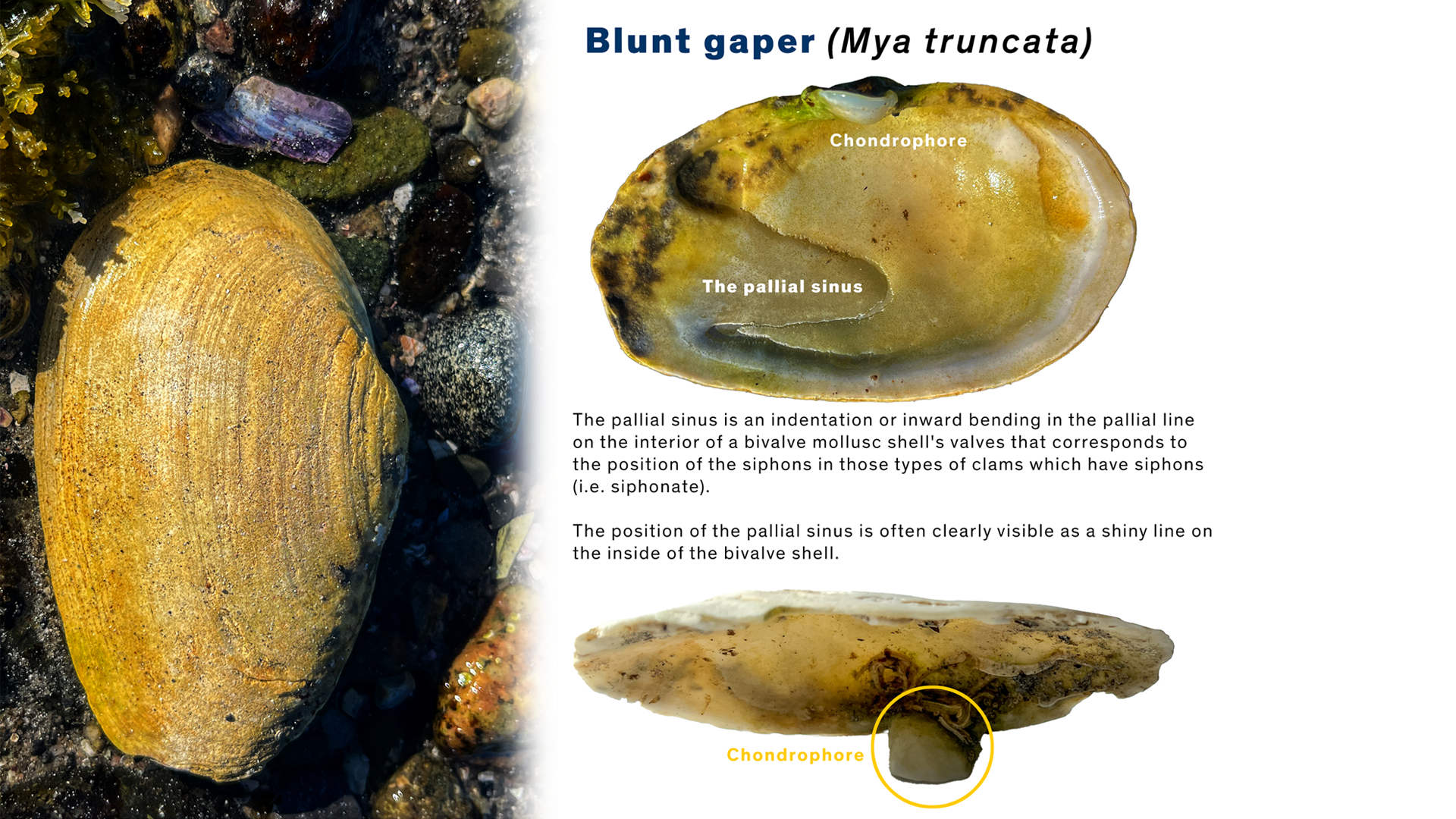
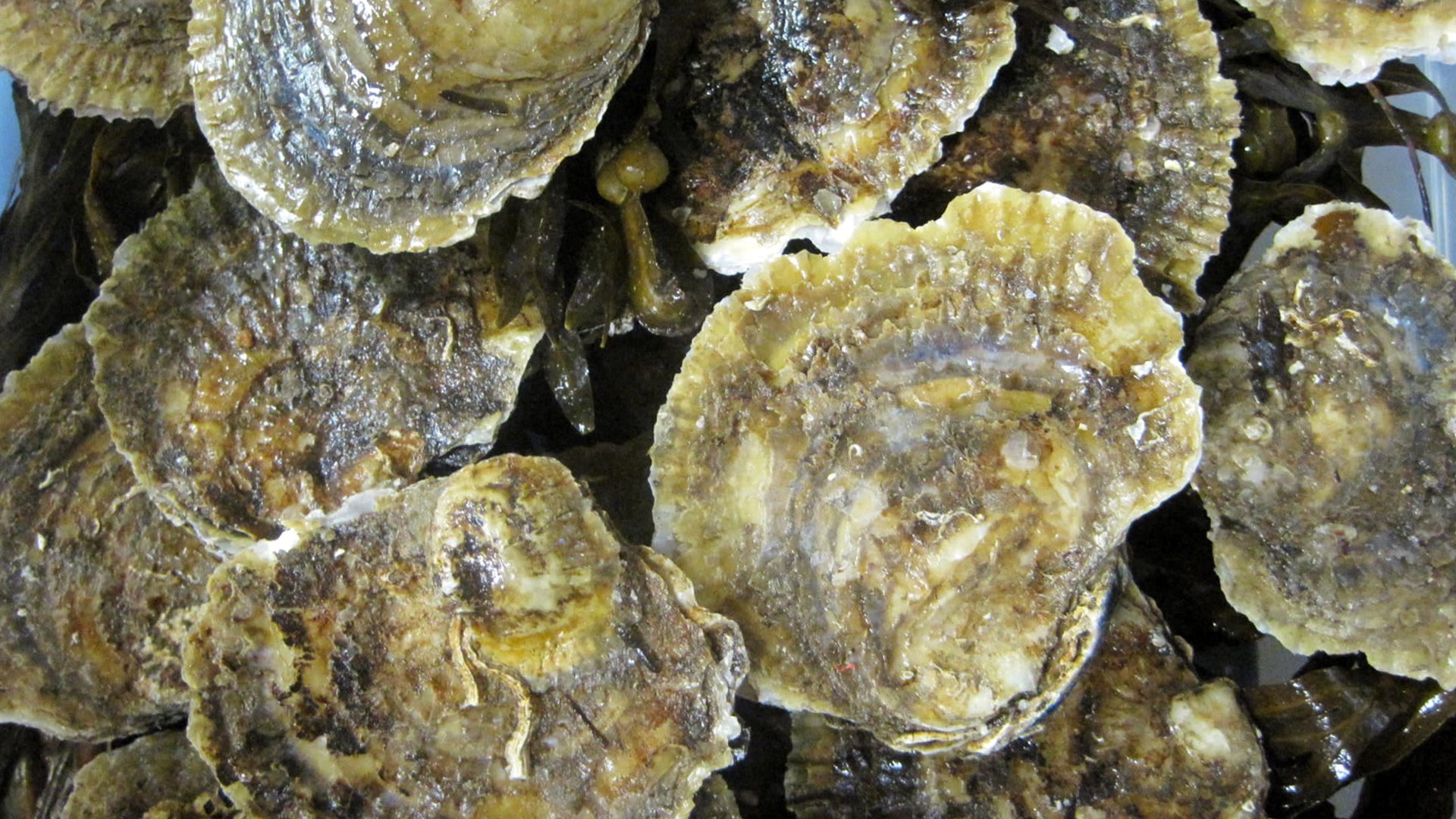
The Sand Gaper Mya Truncata/arenaria pull water through their siphons to filter out microscopic algae, plankton, and organic particles, which helps improve water clarity and quality in estuaries and tidal flats. As marine burrowers they also stabilise the sand substrate.
One of the most interesting things about these shells is their ability to balance on the Chondrophore (spoon), and this can teach us about engineering principles like balance, weight distribution, load bearing etc.
The Native Oyster
We have a blog, and you can read here.
The native oyster (Ostrea edulis) might look like nothing more than a shell on the seabed, but this coastal engineer plays an important role in our aquatic ecosystems and has been part of Ireland’s coastal story for centuries.
Bioconcrete made from oyster or seashell waste is a sustainable, low-carbon building material that repurposes calcium carbonate-rich shells as a partial or complete substitute for traditional cement and aggregates.
TABBY CONCRETE?
While it is not a new idea, this was a type of historical coastal concrete made by burning oyster shells to create lime, then mixing it with water, sand, ash, and whole or broken shells. There is growing research that tells us we need to find better ways to build, rather than destroying our environment, we should be seeking more sustainable and environmental safe materials.
We are looking at more modern types:
There are two primary categories of bioconcrete:
- Self-Healing Concrete: Traditional concrete mixes infused with bacterial spores that remain dormant until structural cracking occurs.
- Grow-from-Scratch Bioconcrete: Sand, aggregates, and bacteria mixed in molds at room temperature to “grow” bricks or tiles organically, completely replacing traditional, carbon-heavy cement.
This means that there are sound science principles in how we work with the oyster, rather than just dumping them.
Could bio-concretes be applicable in the future? Yes, much more so that the concrete we use now, Concrete has a massive environmental footprint, generates high carbon emissions, and can suffer from severe structural degradation if mixed or sourced poorly!
SUMMARY
Thanks to Amelia Walker and The Architecture at the Edge festival for tasking us to explore the marine engineers on the shore. This has been an enjoyable blog and research piece to understand the relationships with democratic design and how the marine life in the ocean has been doing this type of work for years.
Truly the ocean can teach us about the materials strengths and sustainability that we mimic through bio-mimicry.
We need democratic Design in everything.