
SURFACTANTS & Missed Opportunities
Inspired by the Wetlands For Life and Science Week, 2026
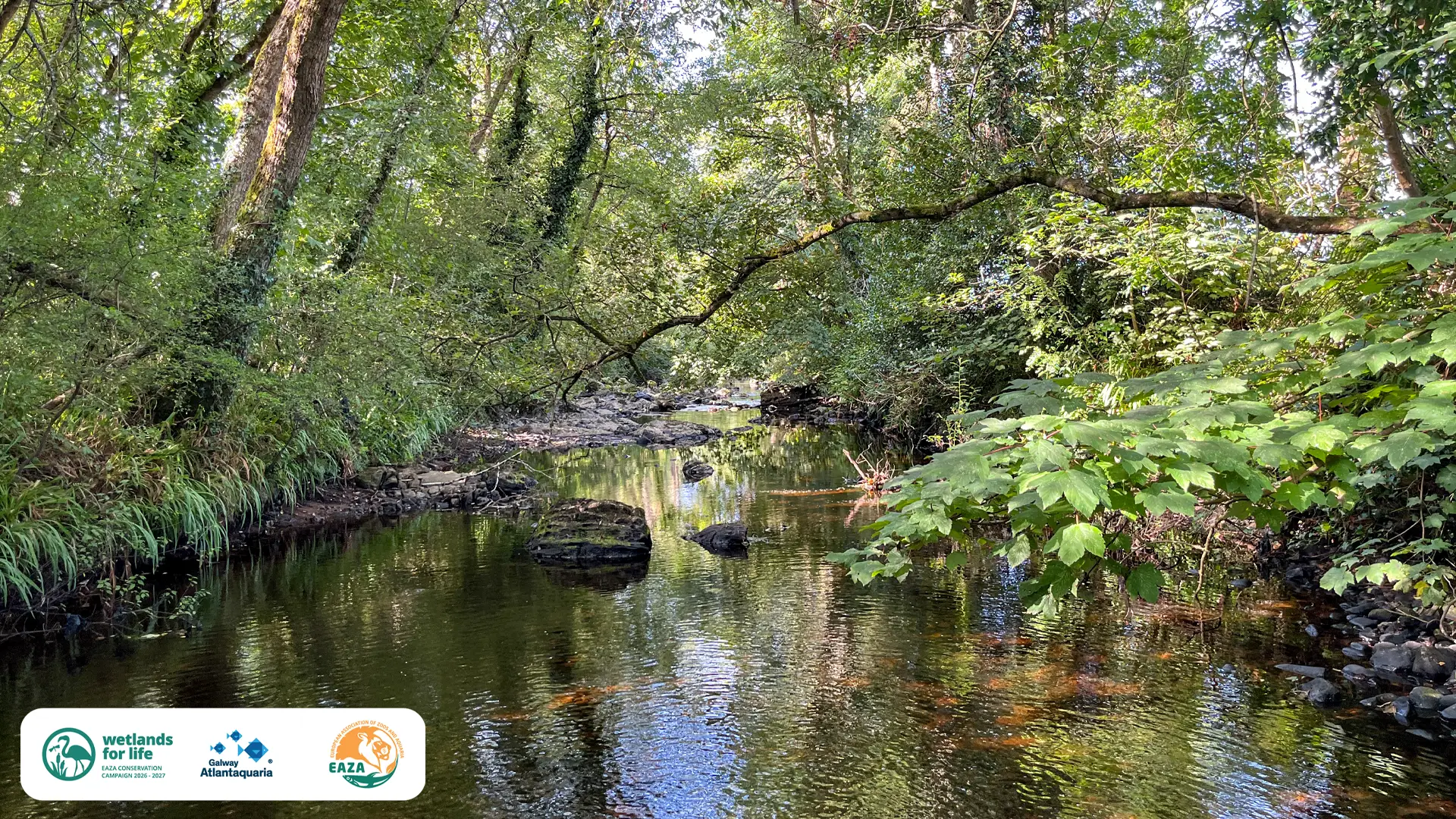
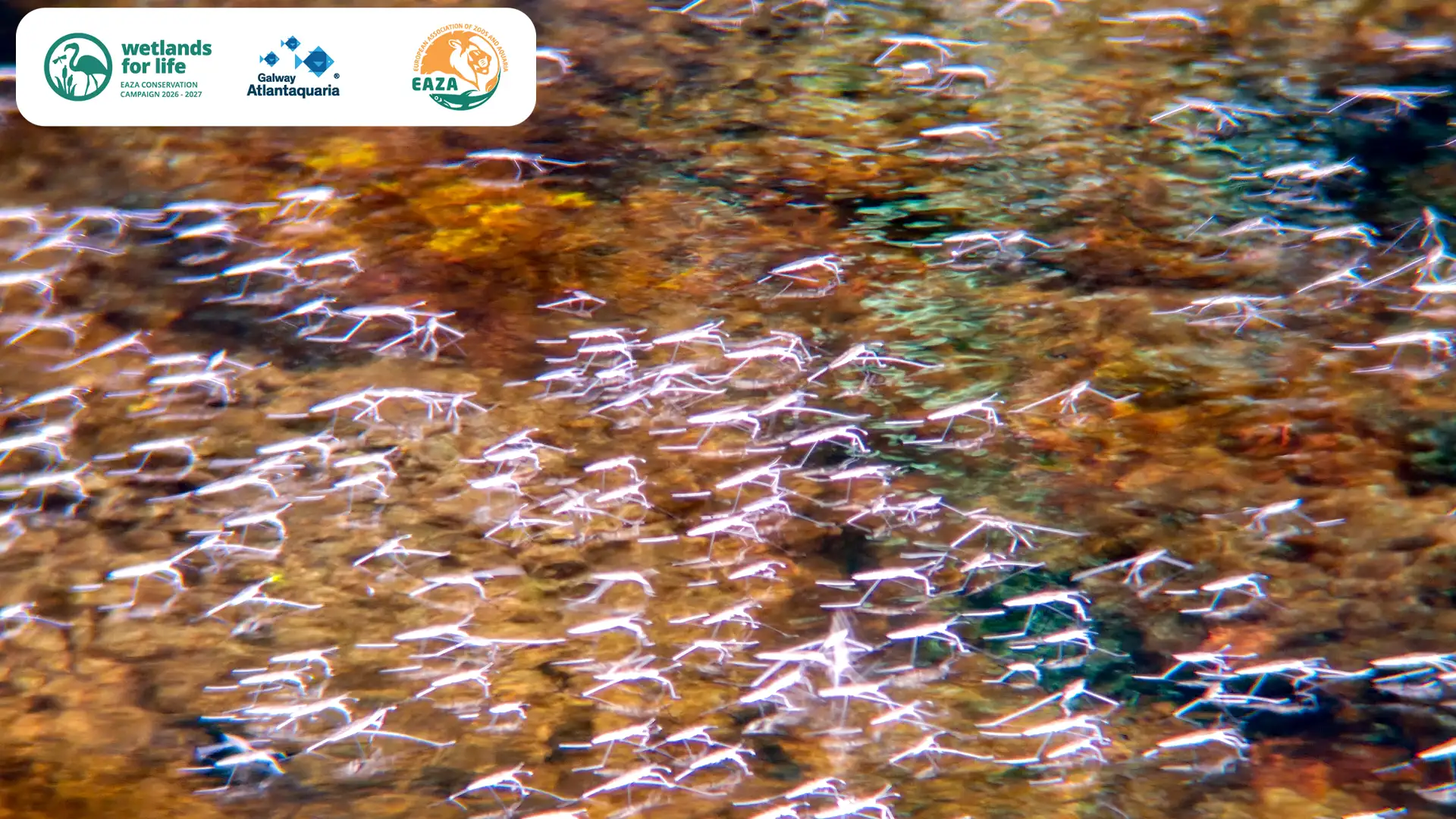
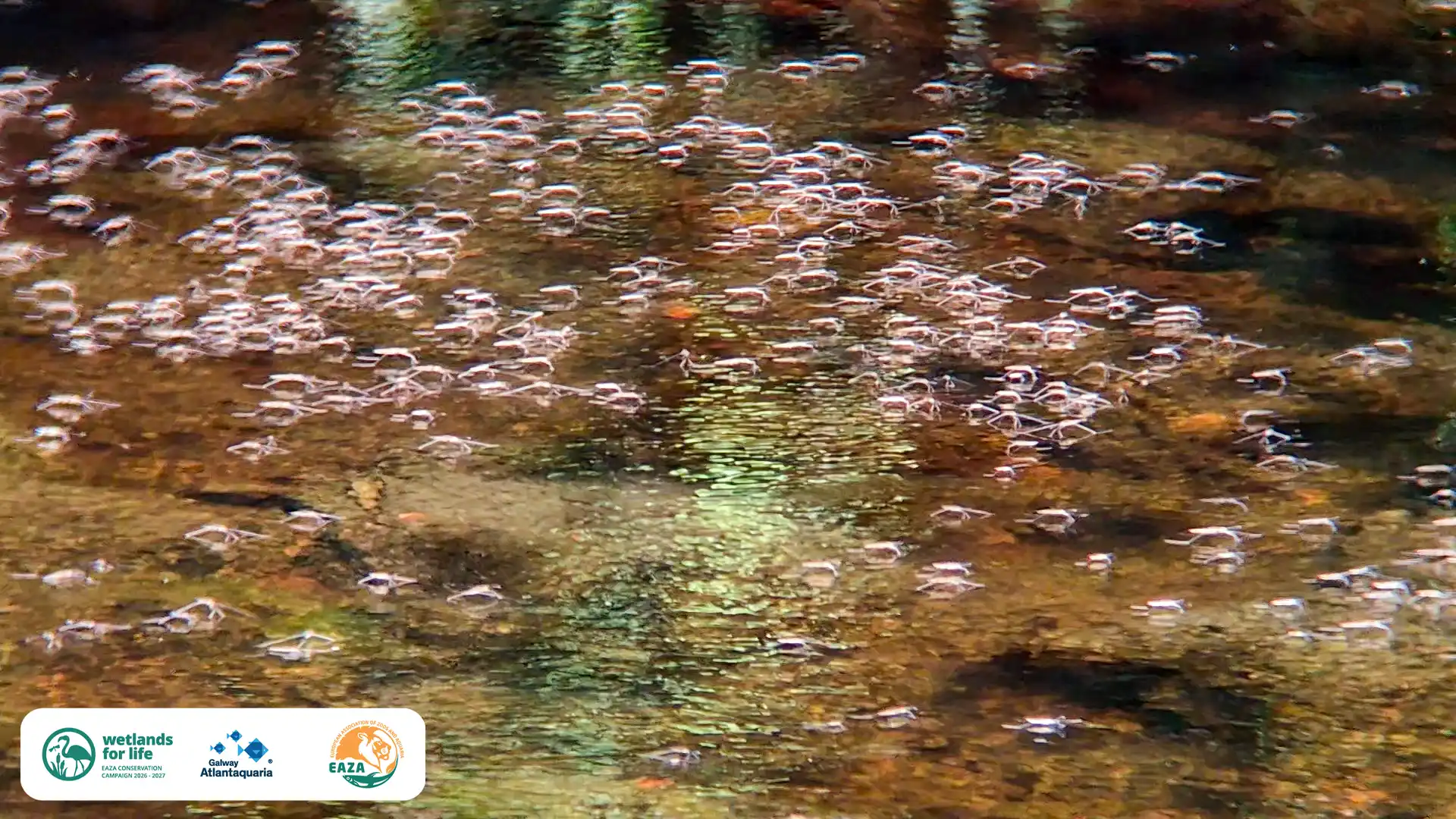
This is the first time observing hundreds of waterstriders on the river, this was a very unique experience.
The LONGER Video is on our YouTube Playlist, with other Wetlands inspired themes.
Galway Atlantaquaria LOVES Science Week, and it is a great opportunity to reflect on some of the interesting things we can discover through Citizen Science.
This year’s theme is “Water: From Molecule to Ocean”, and this helps us to try and understand that the BIGGEST impacts on our health, environment are often the result of something as small as a molecule……..but it is when these microns collapse or expand then we can witness the immense power these can have on our planet.
One might ask? “What do Waterstriders and Surfactants have to do with each other?”
ONE SMALL MOLECULE – A lost Opportunity
In the last few months we ‘accidently’ discovered Surfactants through Citizen Science activities and the Wetlands For Life Campaign.
How did this happen? When you take on Citizen Science it means you start to try and understand what is happening yourself, a self guided journey of learning.
So, after finding the water strider sp. in the river we started gathering information about its life, where it lives etc.
Somehow, the word ‘SURFACTANT’ (surface-active agent) came up, and there was a home science experiment you can do to show what can happen if these Surface Active Agents end up in a river.
In the experiment you can showcase how surface tension can hold weight or allow the strider to ‘walk on water’.
While these experiments might seem innocuous, when we link a real world scenario to where we have hundreds of water striders in the river and someone spills washing up liquid into the system. This would be a chaotic cascade, a disaster where hundreds of these species would lose their ability to walk on the water.

Through the EU Waterwise Campaign we tried a campaign called a ‘A drop of Washing Liquid per cup is enough’, and we wish we had this real world example then. The idea was simple, we would say that one drop of washing liquid is more than enough to clean cups in a sink. The idea was to encourage people to use less ‘liquids SAA (Surface Active Agents)’ when washing. If we were to revisit this campaign as an action for Wetlands For Life, we can definitely use this example.

Summary
When we observe nature we need to be more mindful of the ‘small actions’ that we can do to help nature. Can you imagine that by using less amounts of washing up liquid can help conserve these wonderful water strider species.
SAVE THE WATER STRIDER – SAVE THE WORLD
This is a great example of the Science Week Theme, and we are grateful for their ideas to inform this blog.
When we go back to the title, we called out the missed opportunity because we did not have a information or were able to connect two very different things together. Actions have consequence, and do we need to be more careful of what we waste?
.