
Halloween Tales of Galway…
Blog inspired by Dúchas & Fáilte Ireland’s Home of Halloween Campaign
Gaillimh Ah-Boo, Happy Halloween Tales
Some Halloween Themed Tales of Yore
Everyone loves a great horror story or tale of mythical creatures of Ireland, and we have hundreds of tales to tell!
Halloween or SAMHAIN – (SAH-win or SOW-in) is celebrated all over the world and there is no place better than the home of Halloween Ireland, to hear some fantastic stories.
There is a wonderful website called Dúchas, and you can find a treasure trove of stories, poems, and really amazing tales.
Blog also inspired by Fáilte Ireland’s Home of Halloween Campaign.
Here are some of our favorites.
.
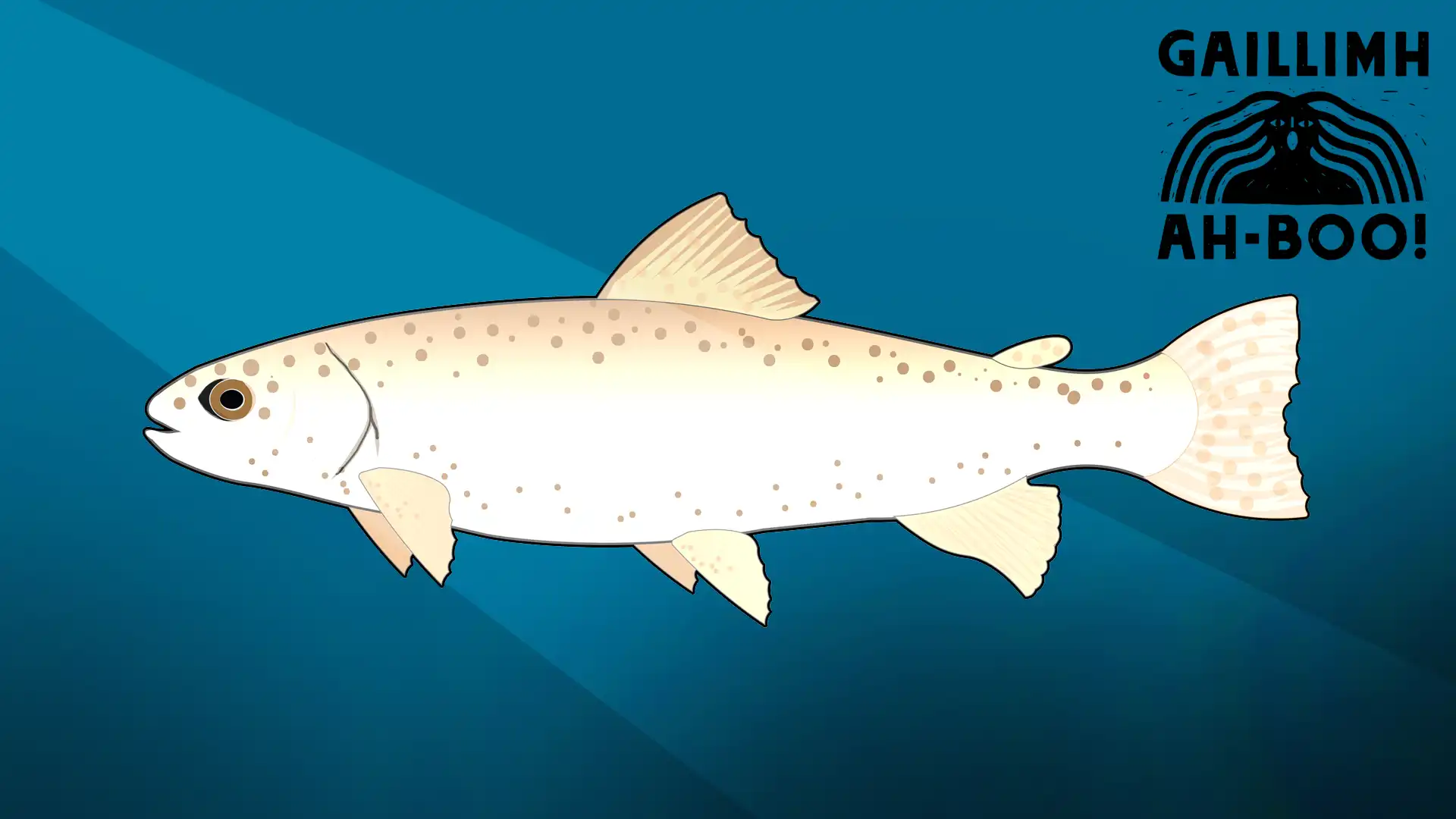
The Trout – The Barmbrack Connection, & Other Tails!
Who doesn’t enjoy a slice of brack at Halloween? Barmbrack has an interesting linguistic connection to the Irish word breac, meaning “speckled” or “trout”. The name is particularly fitting given the fruit-speckled appearance of the bread, which was thought to resemble the markings of a speckled trout.
The White Trout
Irish folklore contains many stories of mysterious white trout, often associated with the supernatural world.
One such tale tells of a beautiful woman who fell deeply in love with a king’s son. When he was murdered and thrown into a lake, she was overcome with grief and lost her mind. Not long afterwards, people began to notice a strange white trout swimming in the lake. Believing that the fish might have some connection with the fairies, they wisely decided to leave it alone.
One soldier, however, was not so easily frightened. Whether it was a fairy creature or not, he decided that he was going to catch and eat the trout. He succeeded in catching it and began to cook it, but no matter how long he tried, the fish would not cook. Eventually, he decided to eat it anyway. As he began to cut into the trout, it suddenly screamed and leapt from the pan. In its place stood a beautiful woman.
The terrified soldier begged for his life and promised to change his ways. The woman told him that she must be returned to the lake, where she was waiting for her true love. She warned him that if he prevented her from being reunited with him, she would curse him.
The soldier hurried back to the lake to return her to the water. However, the mark he had made on her remained: a small red mark appeared on the trout. According to the story, this is why all trout have a red mark to this day.
The soldier kept his promise and reformed his ways. In later life, he became a hermit and spent his days praying for the soul of the trout.
This story repeated itself in other parts of Ireland too.
Well of the Heart
There was also a holy well at Keeleigh known as Tobar na Croí, or “Well of the Heart”. Long ago, during the traditional rounds of visiting houses known as the stations, the woman of one household went to Tobar na Croí to collect water for the priest’s breakfast.
She put the water into the kettle, but no matter how long she waited, it would not boil. Eventually, Father J. K. Fitzgerald, who was conducting the stations, asked for his breakfast. The woman explained that the water would not boil.
The priest went to the kettle and lifted the lid. To his astonishment, he saw a white trout inside.
He told the woman to return the water to the well, explaining that the white trout was an angel. She did as he instructed and, from that day onwards, never again collected water from the well.
According to tradition, the well has been regarded as a holy well ever since.
Loch an Bhric Chaoich — The Lake of the Blind Trout
In the village of Attavally there was once a lake known as Loch an Bhric Chaoich, meaning “the Lake of the Blind Trout”. It was said to have taken its name from a blind trout that had been caught there.
People were afraid to pass the lake after nightfall because a mysterious white horse was often seen grazing beside it. In recent years, the lake has dried up.
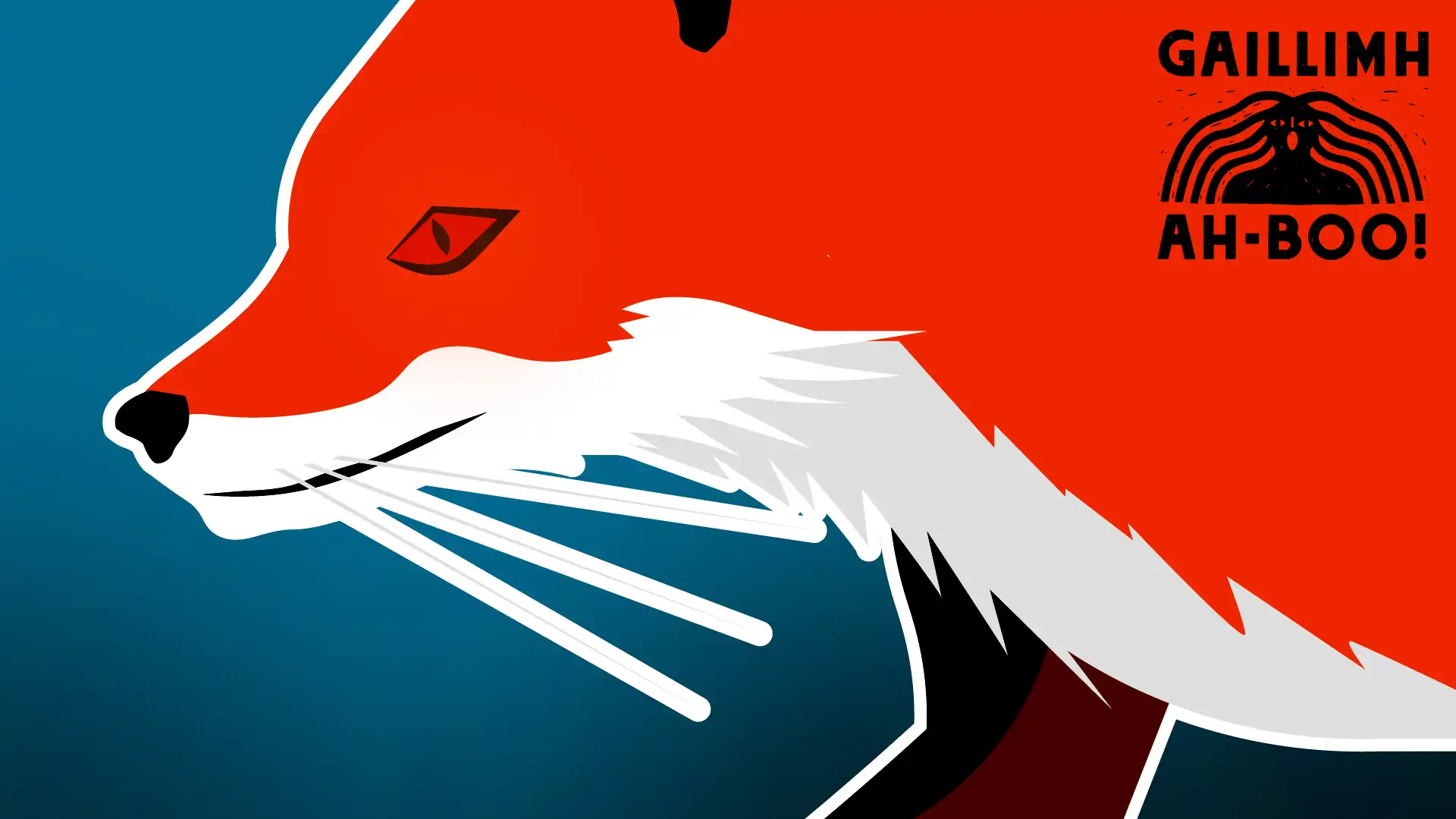
The red fox, Vulpes vulpes, is known by several names in Ireland. The Irish language preserves the old name for the fox, an sionnach, which remains in common use today. It has sometimes been suggested that the English word “shenanigans” derives from the Irish sionnacuighim, meaning “I play the fox”, although this proposed connection remains speculative.
Among fishermen, certain words and names were traditionally avoided at sea for fear of tempting bad luck. Four-legged animals were particularly taboo, and fishermen would use alternative names rather than speak of them directly. Instead of saying “pig”, for example, they might refer to it as “the fellow with the curly tail”, “the bacon” or simply “the grunter”.
For fishermen in Galway, the Aran Islands and Connemara, the fox was especially unlucky. Merely seeing or mentioning a fox could be enough to prevent a fisherman from putting out to sea. One local story tells of a Galway butcher who would bring a fox, or a fox-skin, to the Claddagh on a Friday morning specifically to keep the fishermen from sailing. With no fresh fish coming ashore, he could then expect to sell more meat over the weekend.
The fox also has a connection with St MacDara, the patron saint of Connacht fishermen. It is said that the saint’s original name was Sionnach MacDara — sionnach meaning “fox” in Irish. Rather than calling him St Sionnach, however, he became known as St MacDara.
In the sixth century, St MacDara is said to have founded a monastery on a small island off the coast of Connemara. Traditionally, boats passing between the island and nearby Mace Head would dip their sails three times as a mark of respect to the saint. Local tradition tells of sudden storms and sea-surges overtaking those who ignored or failed to observe the custom.
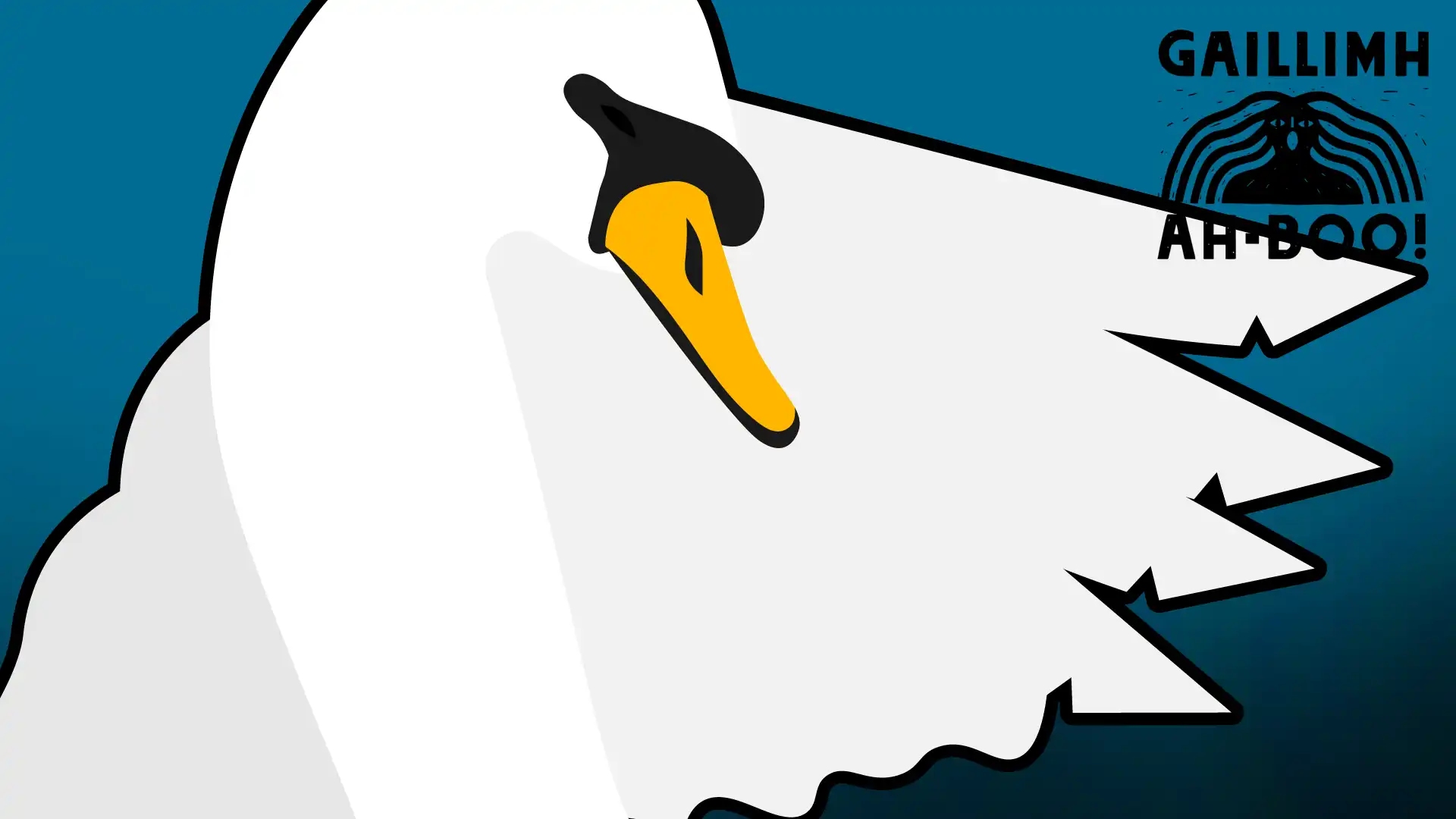
The Swan
In Irish folk belief, swans were thought to embody the souls of the dead, and it was therefore considered extremely unlucky to harm or kill one. According to local tradition, anyone who killed a swan would die within a year.
In the 1940s, a local fisherman is said to have scolded a young boy who was throwing stones at the swans in the Claddagh Basin. “Do you know who those birds are?” he asked. “Well, I’ll tell you. They are the souls of your ancestors. When the old fishermen died, their souls left their bodies, took the form of swans, and returned to the basin to watch over the boats.”
Another widely held belief was that the mute swan was a silent bird that would sing a beautiful song shortly before its death. This gave rise to the expression “swansong”, meaning a final performance or appearance before retirement or death.
In reality, however, mute swans are far from silent. They communicate through a variety of sounds, including grunts, whistles and hisses!
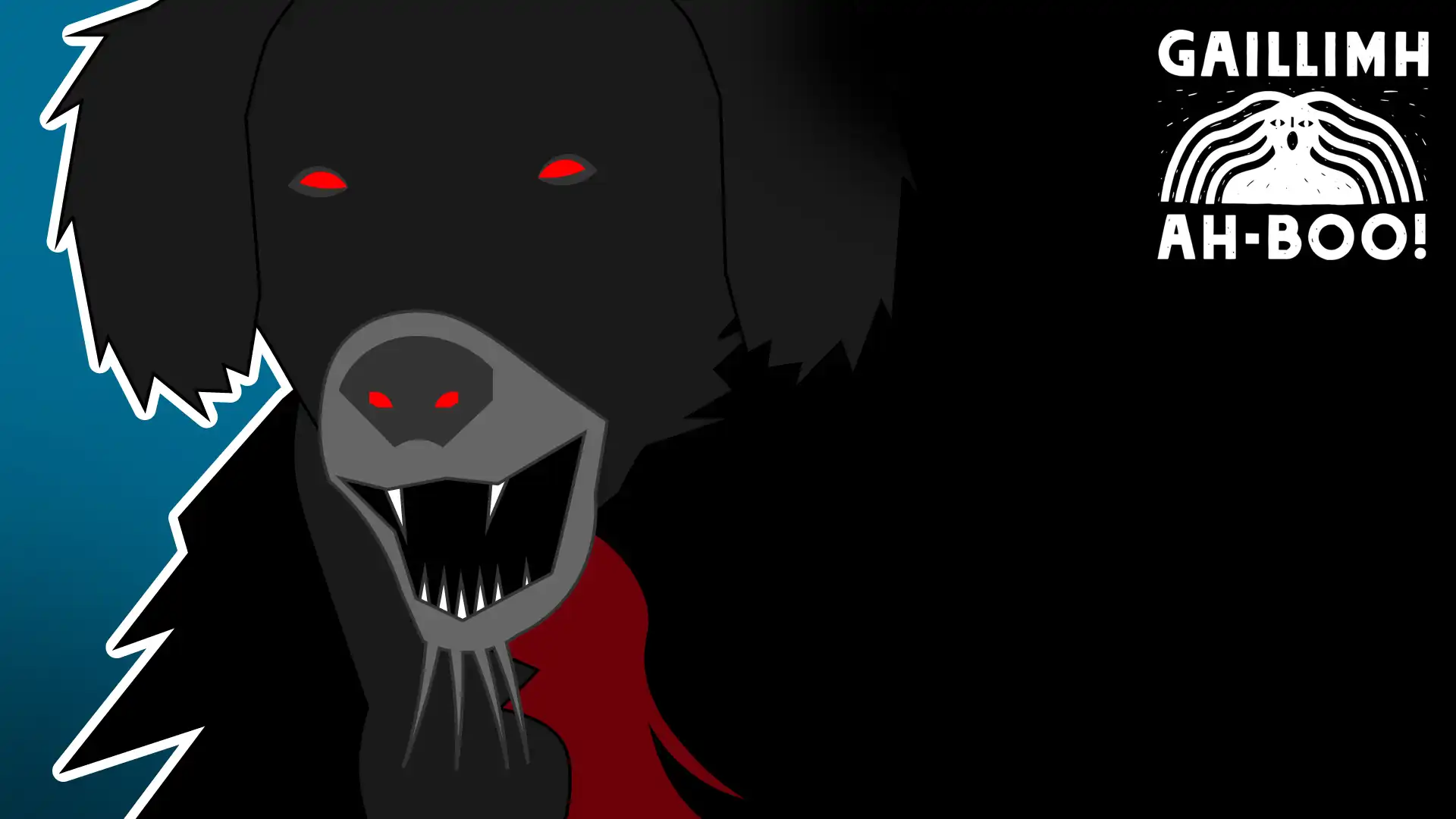
The Black Dog
According to local folklore, a large black dog with “fiery eyes” and “snow-white sharp teeth” would rise from the River Corrib and follow anyone foolish enough to cross the Claddagh Bridge — now known as Wolfe Tone Bridge — after midnight.
A crucifix or holy water was said to offer protection from the beast. If neither was available, the unfortunate traveller had only one option: to run. They had to outrun the dog as far as the crossroads at Lynch’s Castle, for the creature could not cross the cross!
Curiously, the beast was known as the gliomach, the Irish word for “lobster”. It has been suggested, however, that the name may originally have derived from the Irish gliobach, meaning “hairy” or “shaggy” — a rather more fitting description for a monstrous black dog.
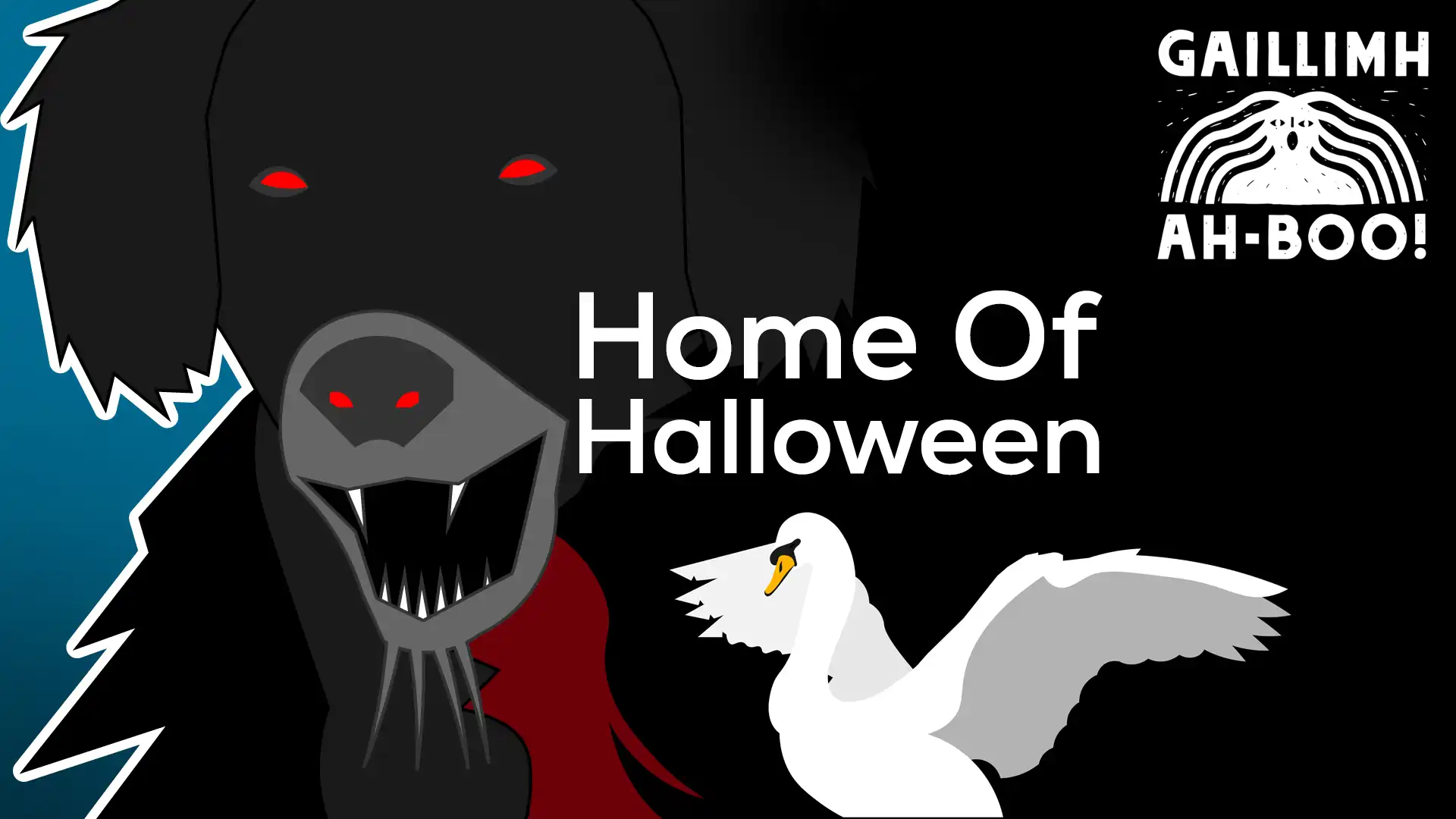
We hope you enjoyed some of these tales, and have a great Halloween. We hope you might take a visit to the Aquarium, and see if you can find the white Trout, or the Black Dog!
SUMMARY
The objective of the project is to initiate the digitization of the National Folklore Collection (NFC) so that: tThe public has online access to material from the Collection and
a data management system is available for NFC to which other material can be added in the future.
Project partners
National Folklore Collection, UCD, and UCD Library
Gaois, Fiontar & Scoil na Gaeilge, DCU
Department of Rural and Community Development and the Gaeltacht
SOURCES:
https://www.duchas.ie/en/cbes/4922383/4876304/5083091