
Aquarium Book Club, April 2026
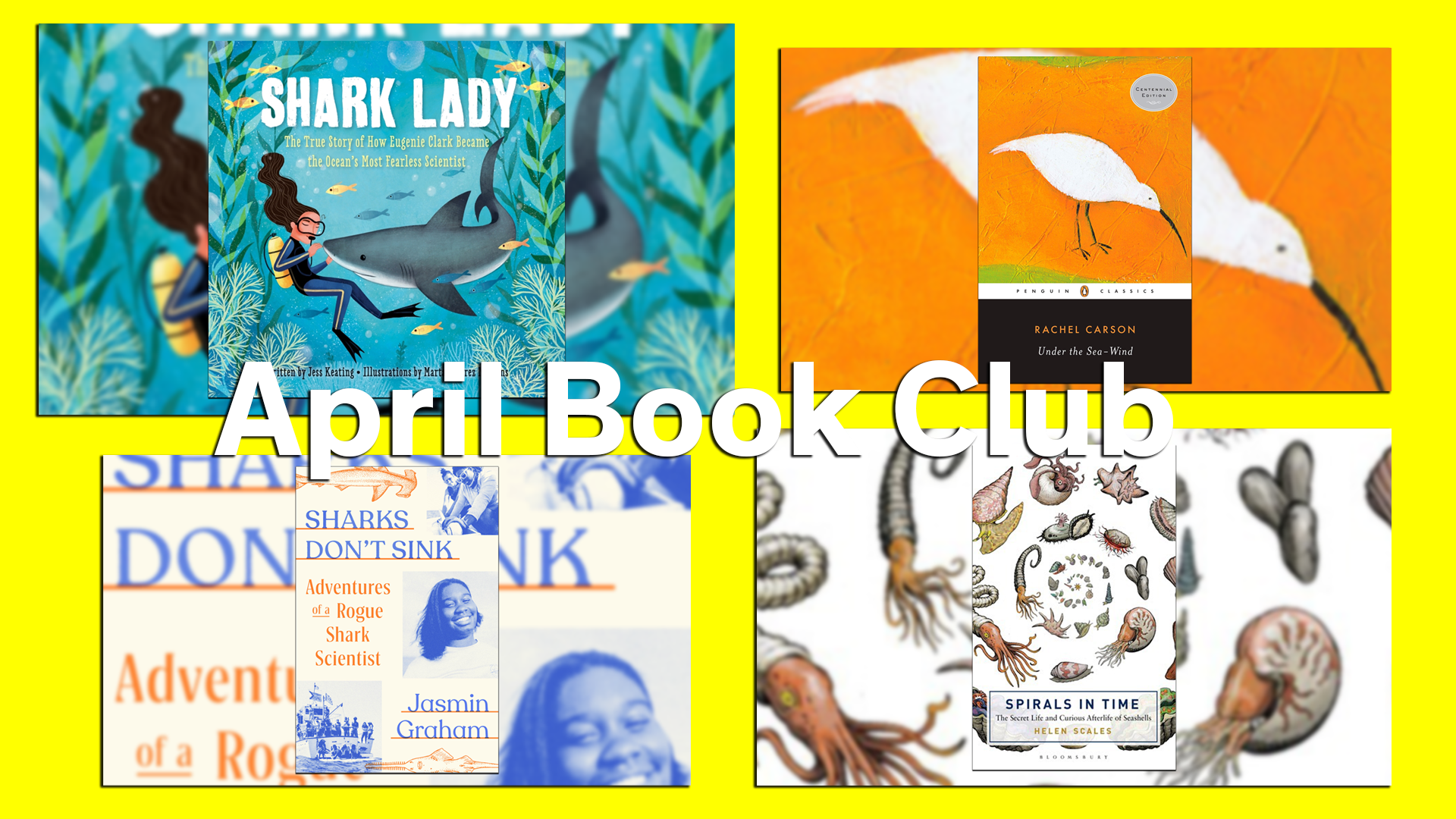
April Good Reads…Female Scientists
This month I have read several There are fantastic women in marine science who have made invaluable contributions to sea research. For this month I have read 4 books from and about some of these pioneers.
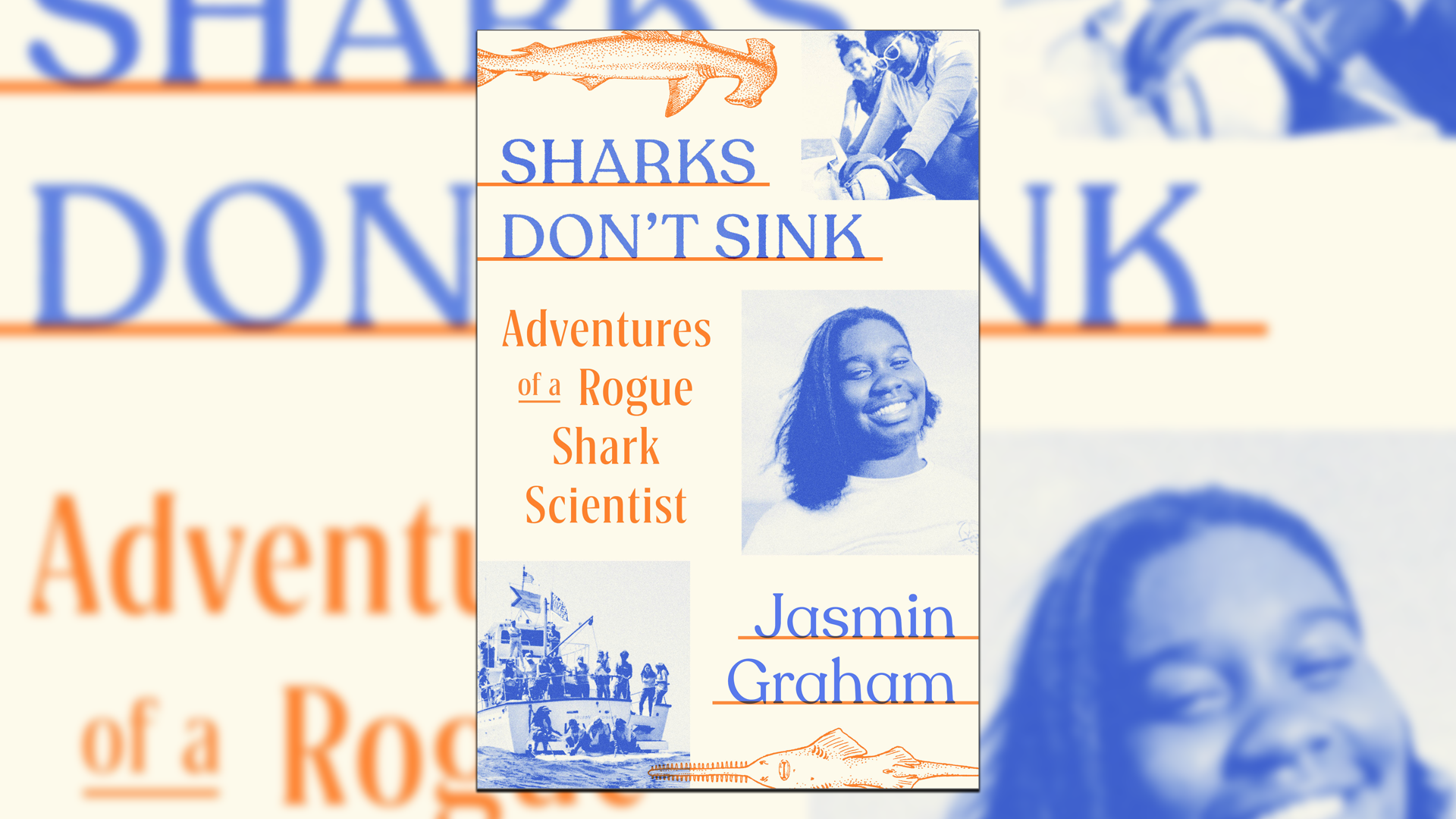
Jasmin Graham is a marine biologist who specializes in the often-misunderstood world of sharks. She is co-founder of Minorities in Shark Sciences (MISS), an organization that actively works towards increased visibility and opportunities for gender minorities from historically underrepresented communities of color within the discipline of marine biology.
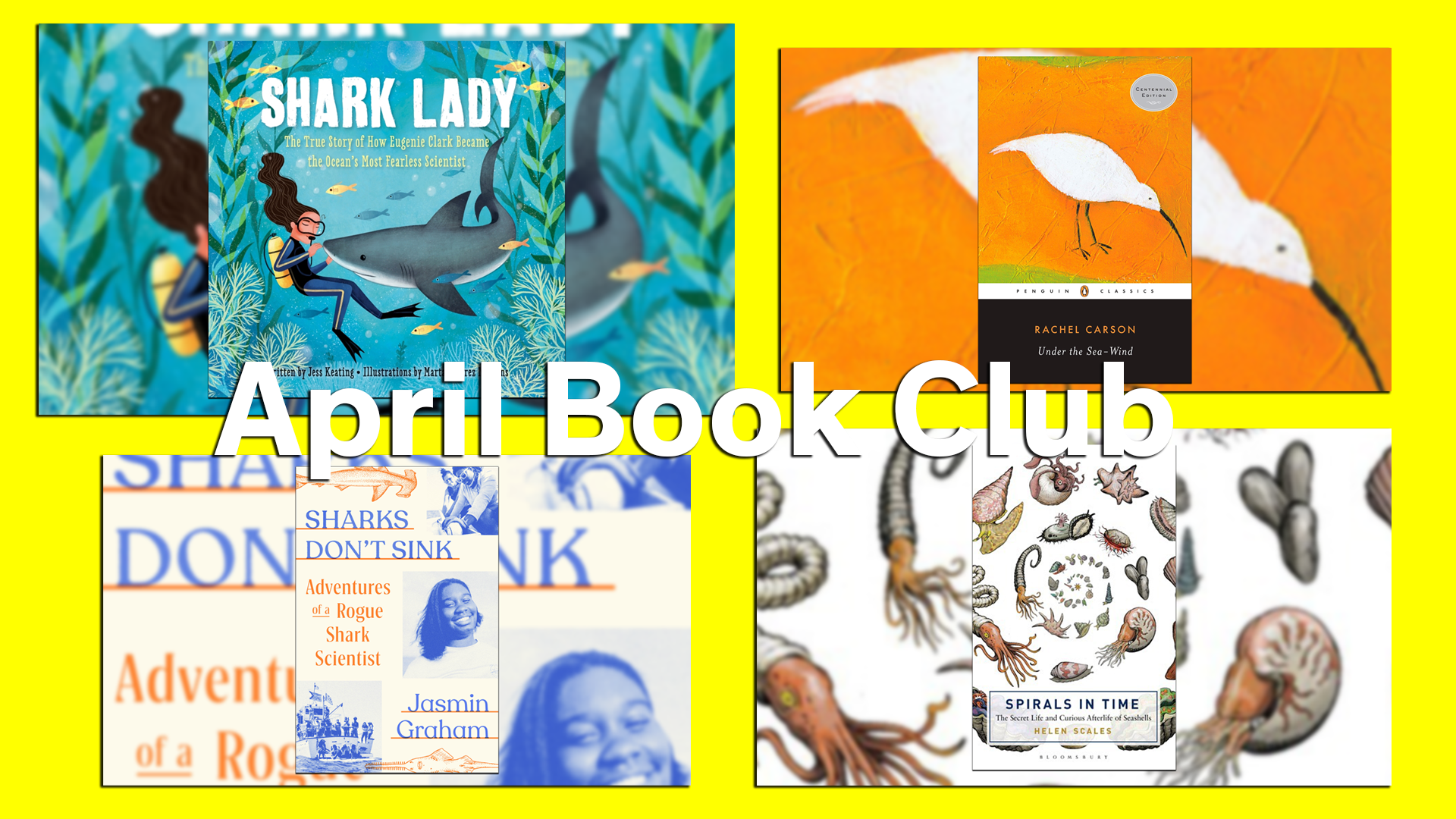
Her book Sharks Don’t Sink offers a personal and insightful look into her professional journey. The book is both an account of her research and experiences as a marine biologist as well as a memoir. Graham shares the realities of navigating the academic world, detailing the obstacles and biases she encounters as a Black female scientist. Despite the love she has for marine biology, she found it difficult to find her way in the academic world. This led her to an important decision: leaving academia to embrace a role she has aptly named the “rogue scientist,” allowing her to pursue her research and advocacy on her own terms.
The book is an interesting fusion of genres, blending personal memoir with scientific research and commentary. She draws parallels between her own personal and professional struggles, particularly the fight for equality and inclusion, and the complex challenges that many shark species face in the modern time, particularly concerning conservation and environmental pressures. Graham speaks with genuine warmth and admiration about her supportive family, acknowledging the encouragement she has consistently received from the people close to her. While the book dedicates considerable space to detailing the difficulty of finding true equality and fairness within the established academic framework, it also addresses the persistent struggles Black people in the United States faced in the past, and still face today.
The final product is a truly phenomenal and essential read. It is infused with raw passion, intellectual drive, and it highlights Graham’s fighting spirit. Jasmin Graham is more than just a successful scientist; she is a genuine role model whose dedication and resilience are deeply inspirational. Her voice and perspective are vital, highlighting the need for greater diversity, challenge to the status quo, and for more individuals like her to lead the way in the global scientific community.
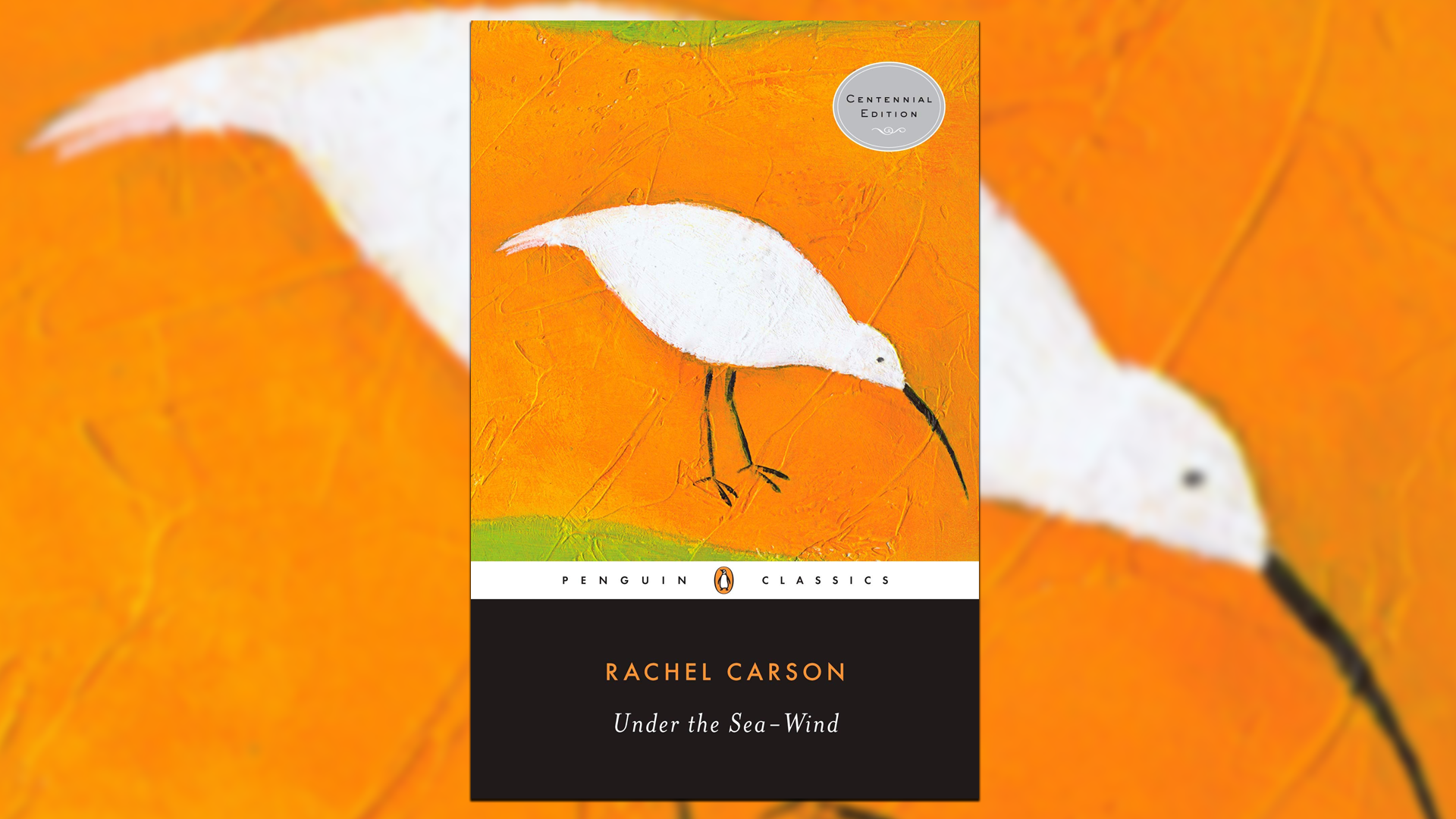
Rachel Carson is a marine biologist and conservationist, probably best known for her work Silent Spring in which she documents the damage that the pesticide DDT has done to the environment. This book eventually led to the banning of this chemical for agricultural purposes.
Her first book, Under the Sea-Wind, was published in 1941 and is a lyrical exploration of life in and around the ocean. Carson adopts an immersive perspective, following the cycles of life and migration of various marine creatures. The descriptions of sealife in these specific habitats creates a poetic and very descriptive illustration, making the book seem sometimes closer to poetry than science, despite the scientific accuracy of her descriptions. She paints a vivid picture of the interdependence and rhythm of the marine world, demonstrating her deep ecological understanding and profound passion for nature. The book shows Carson’s early commitment to making natural history both scientifically accurate and aesthetically moving, providing a look at the unseen lives beneath the waves.
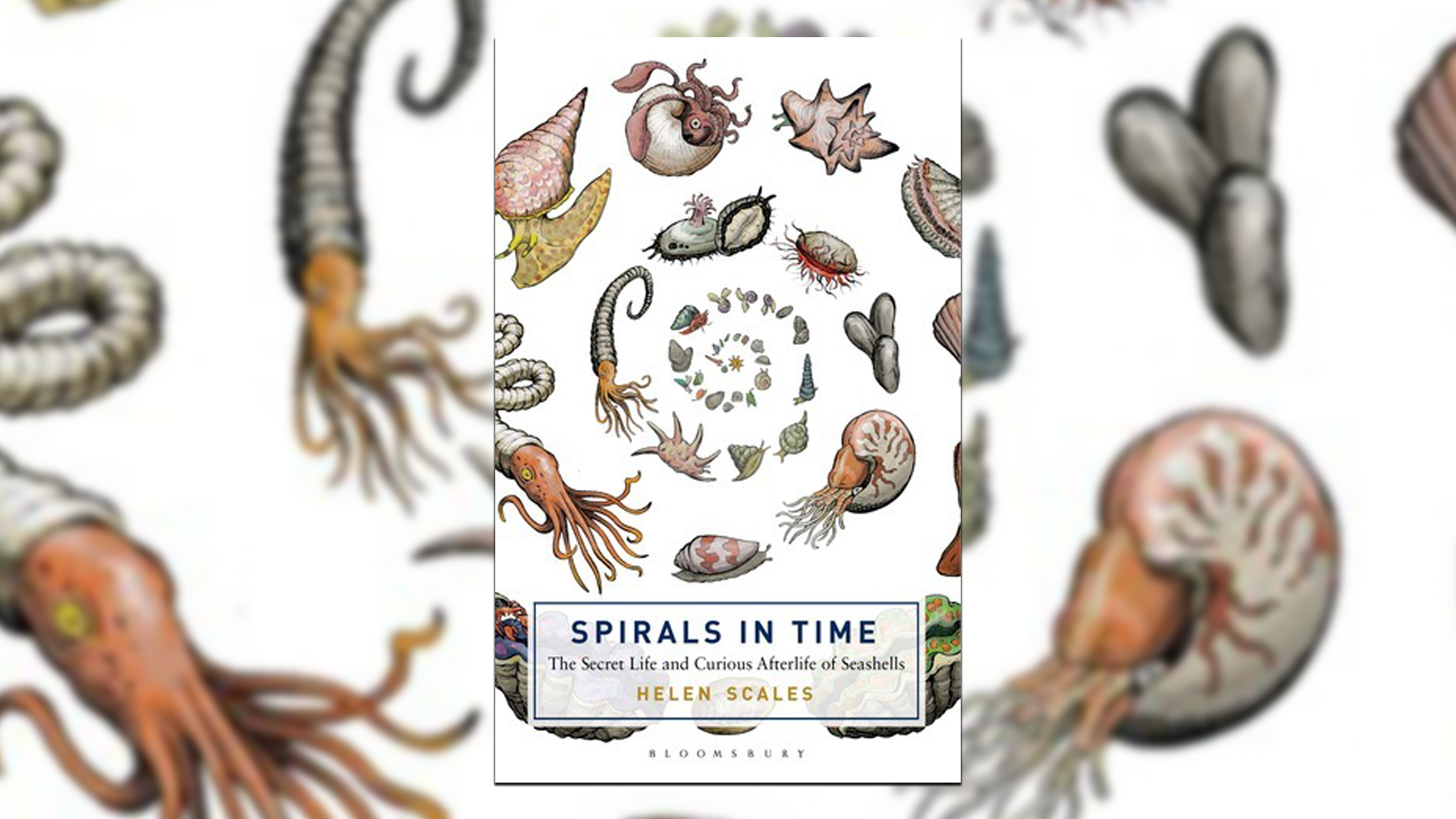
Helen Scales is a marine biologist and writer of several books. She writes about life in the deepest parts of the ocean in The Brilliant Abyss, discusses the life of seahorses in Poseidon’s Steed, and tackles the difficult topic of the future of the ocean in What the Wild Sea Can Be.
In all these books, Scales uses her enthusiasm, expertise and easily accessible writing style to discuss one of the many facets of ocean life. In her book Spirals in Time: The Secret Life and Curious Afterlife of Shells she uses the same passion to take on the much overlooked world of shells, their inhabitants and the legacy and importance of molluscs and the houses they leave behind. This is a vast topic, yet the book is well-structured, and discusses everything from the evolution of molluscs, shell collection, and the products humans make from shells. The book explores shells not only as beautiful decorations, but as essential components of marine and coastal ecosystems.
The book covers everything from the global history of shells used as a form of currency and symbols of power, fertility, and divinity across various ancient and modern cultures, to their important role in scientific discoveries and artistic expression.
Spirals in Time is a beautifully written and well-researched book. It inspires a new appreciation for these resilient and often-overlooked creatures, potentially changing the reader’s view of common seashells found on the beach.
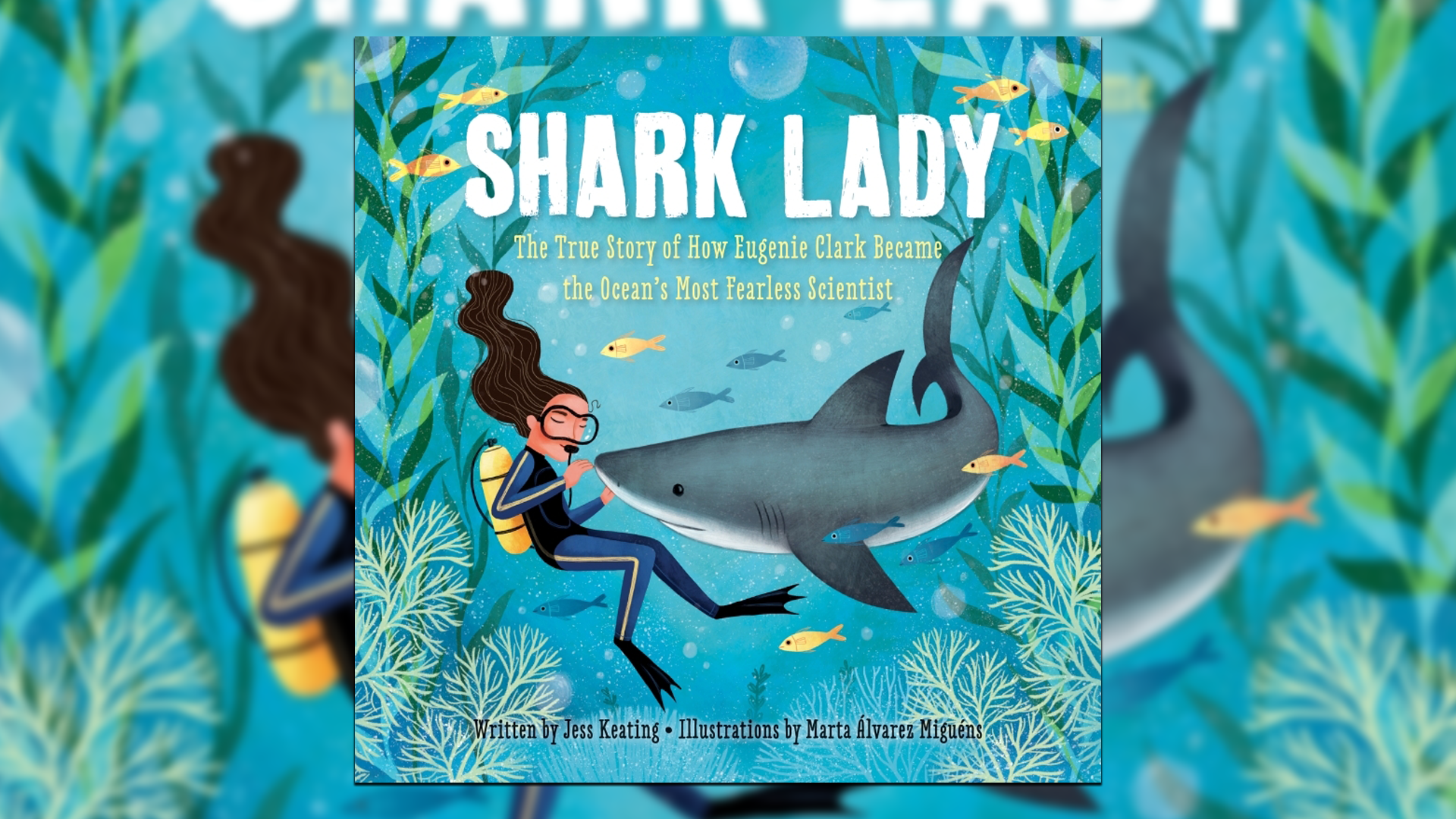
The Shark Lady by Jess Keating is a picture-book written for younger children. It is a biography celebrating the life and work of Eugenie Clark, a pioneering marine biologist who dedicated her life to studying sharks and changing their fearsome reputation.
In this book, Keating aims to capture Clark’s passion for the ocean and tells the story of her life in marine science. From a young age, Clark was fascinated by the marine world, and despite the barriers faced by women at the time, she had a successful career in science. The book highlights her groundbreaking research, including her efforts to dispel myths about sharks. The book is an inspiring tribute to Clark’s legacy, offering young readers a powerful message about curiosity, perseverance, and challenging stereotypes.
.