
Yelllow Meadow Ants in Salthill
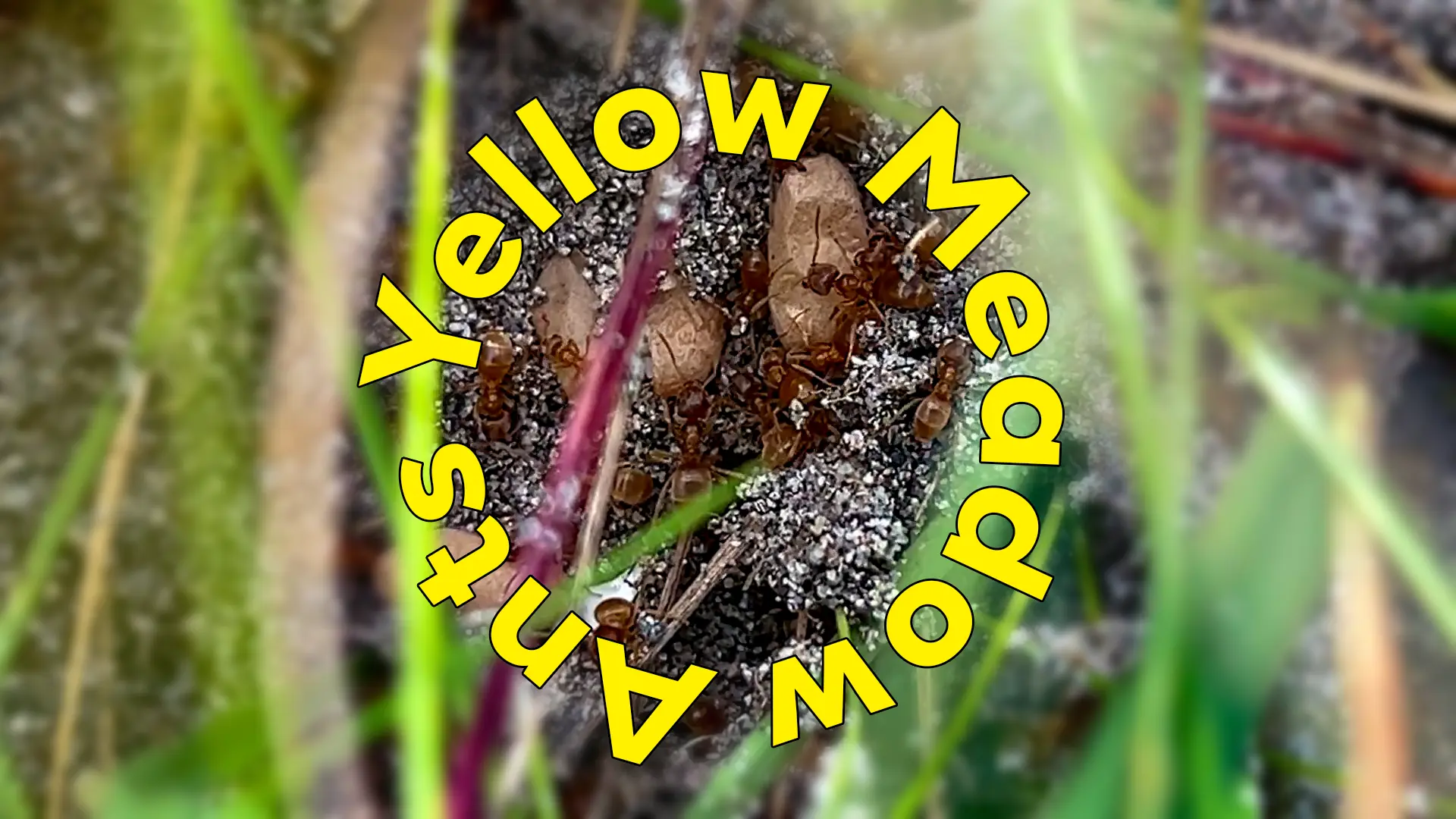
Is there Gold in them, their Salt-Hills?
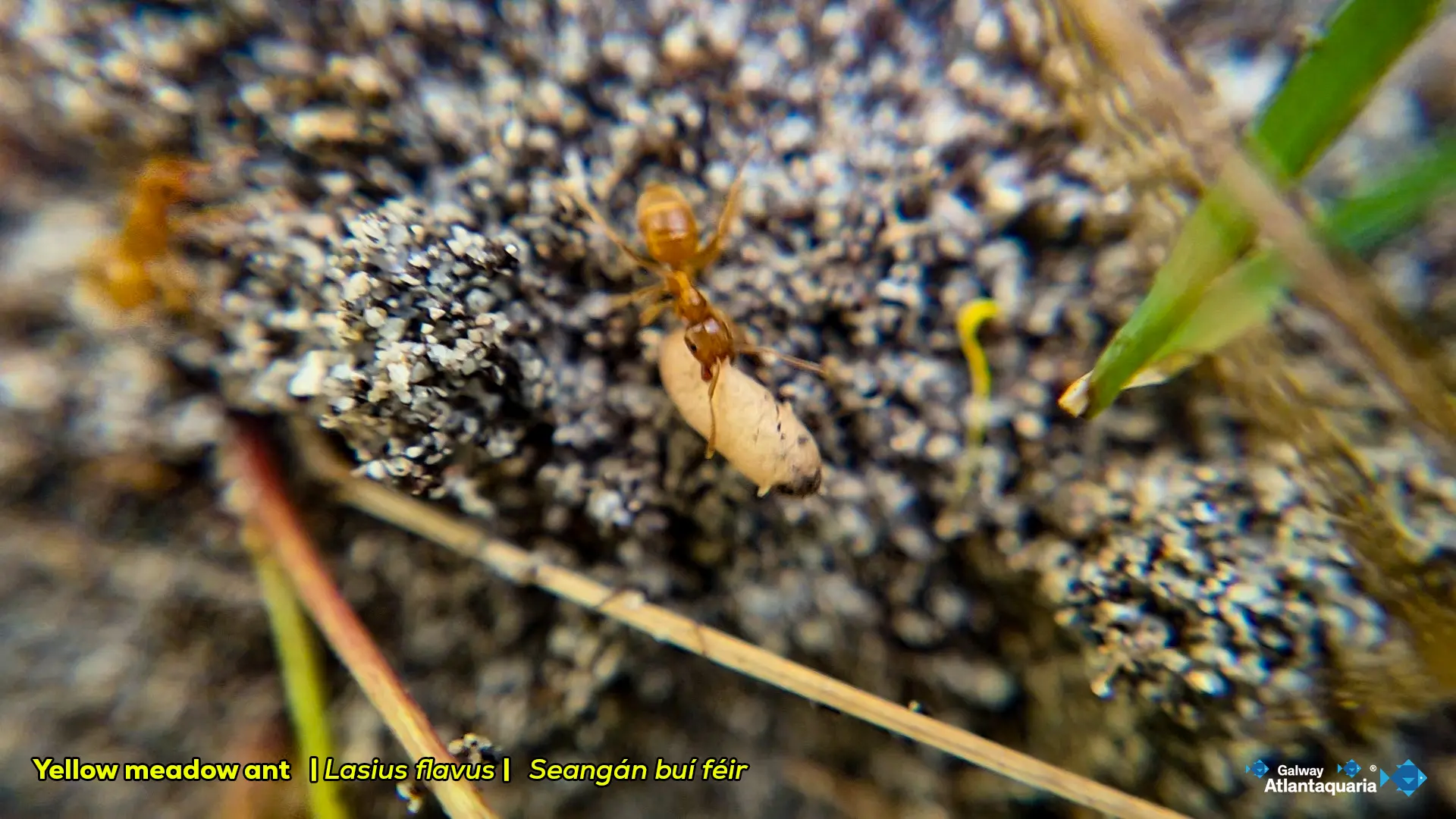
Galway Atlantaquaria is delighted to announce the discovery of a colony of Yellow Meadow Ants (Lasius flavus), also known as the Yellow Hill Ant, at Grattan Beach, Salthill.
The discovery was made during biodiversity surveys conducted as part of the Wetlands for Life Campaign, led by the European Association of Zoos and Aquaria (EAZA), and through Galway Atlantaquaria’s role as an Explore Your Shore! Hub for Galway West.
This is the official 158 th record of this species according to the National Biodiversity Data Map.
The Yellow Meadow Ant is a native Irish species that forms an important part of Ireland’s biodiversity. Although commonly found throughout Europe, this ant spends almost its entire life underground and can easily go unnoticed. The colony at Grattan Beach was recorded while surveying local wetland habitats for birds, waders, and other coastal wildlife.
While the Yellow Meadow Ant is not typically associated with wetland habitats, its discovery highlights the importance of recording all biodiversity encountered during field surveys. Without the impetus provided by the Wetlands for Life Campaign and Explore Your Shore!, this colony may never have been documented.
Garry Kendellen of Galway Atlantaquaria said “This finding demonstrates how biodiversity surveys can reveal hidden aspects of our natural heritage. Every species recorded helps us build a more complete understanding of local ecosystems and strengthens our ability to protect vulnerable habitats.”
A Hidden Engineer of Irish Grasslands
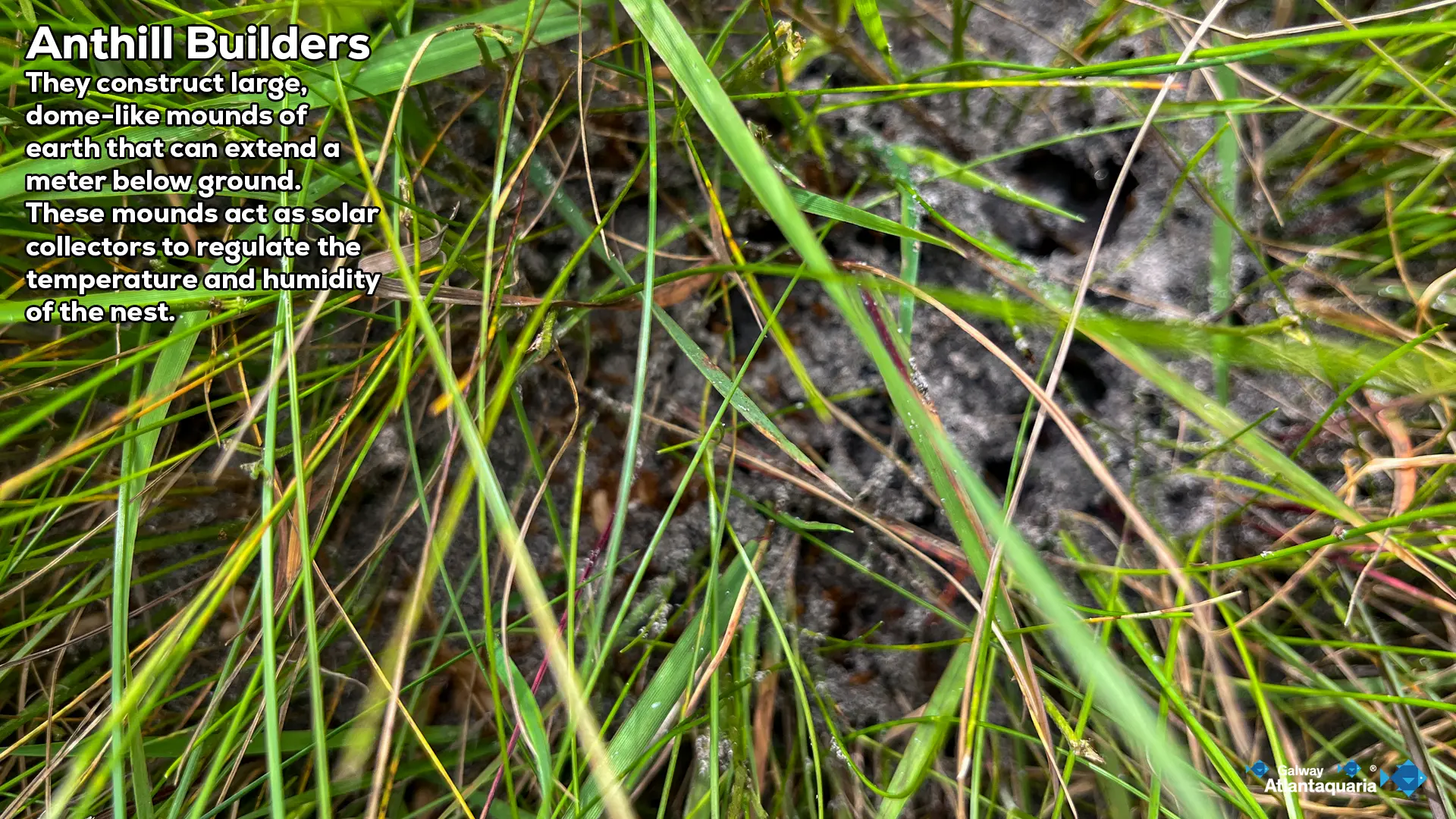
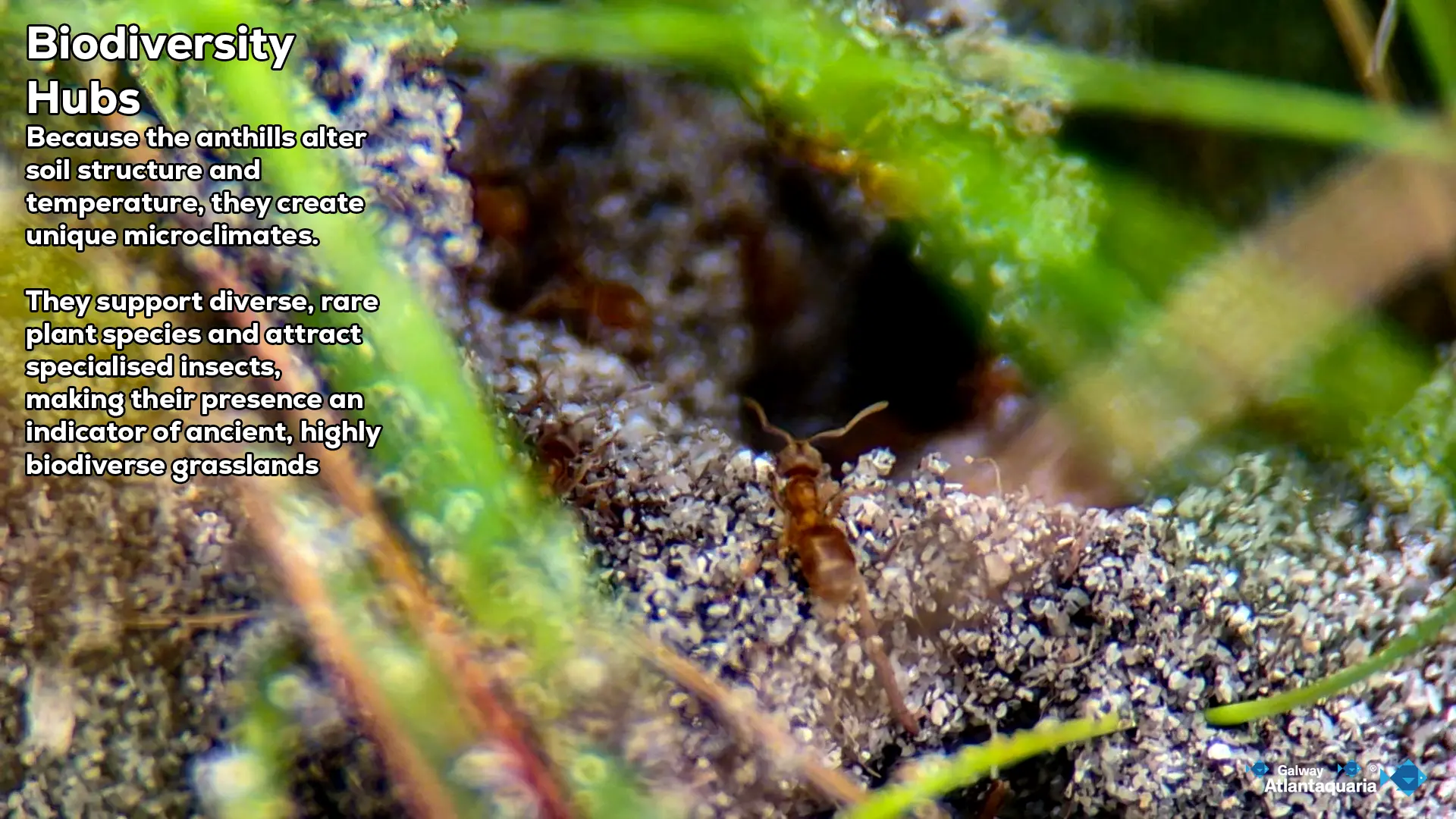
The Yellow Meadow Ant is a remarkable species that thrives in undisturbed grasslands, meadows, and coastal turf habitats. Colonies construct extensive underground tunnel networks and characteristic soil mounds, which can persist for decades and potentially centuries if left undisturbed.
These ants play a valuable ecological role as ecosystem engineers. Their tunneling activity aerates the soil, improves drainage, and contributes to nutrient cycling, helping to maintain healthy grassland habitats.
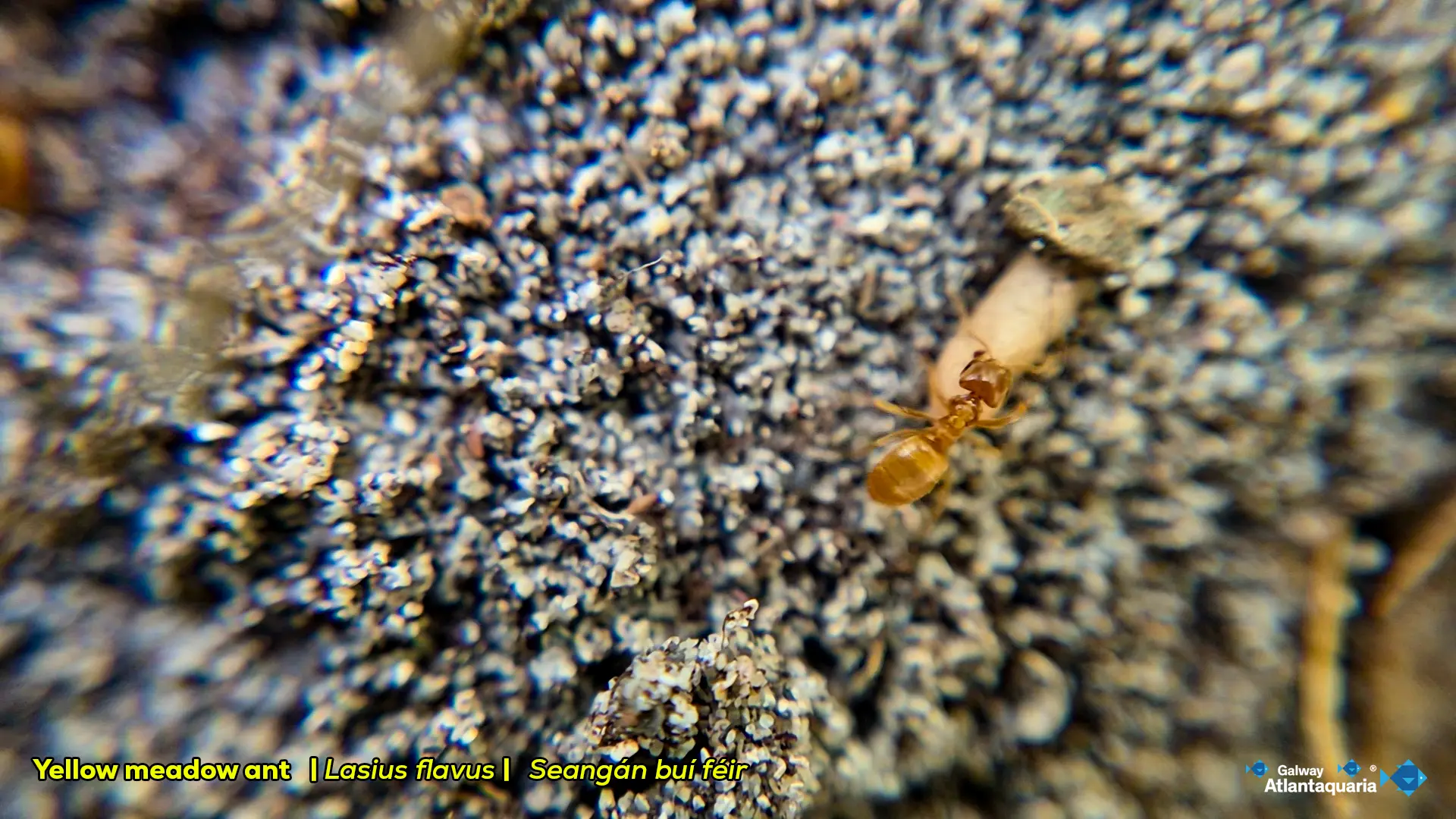
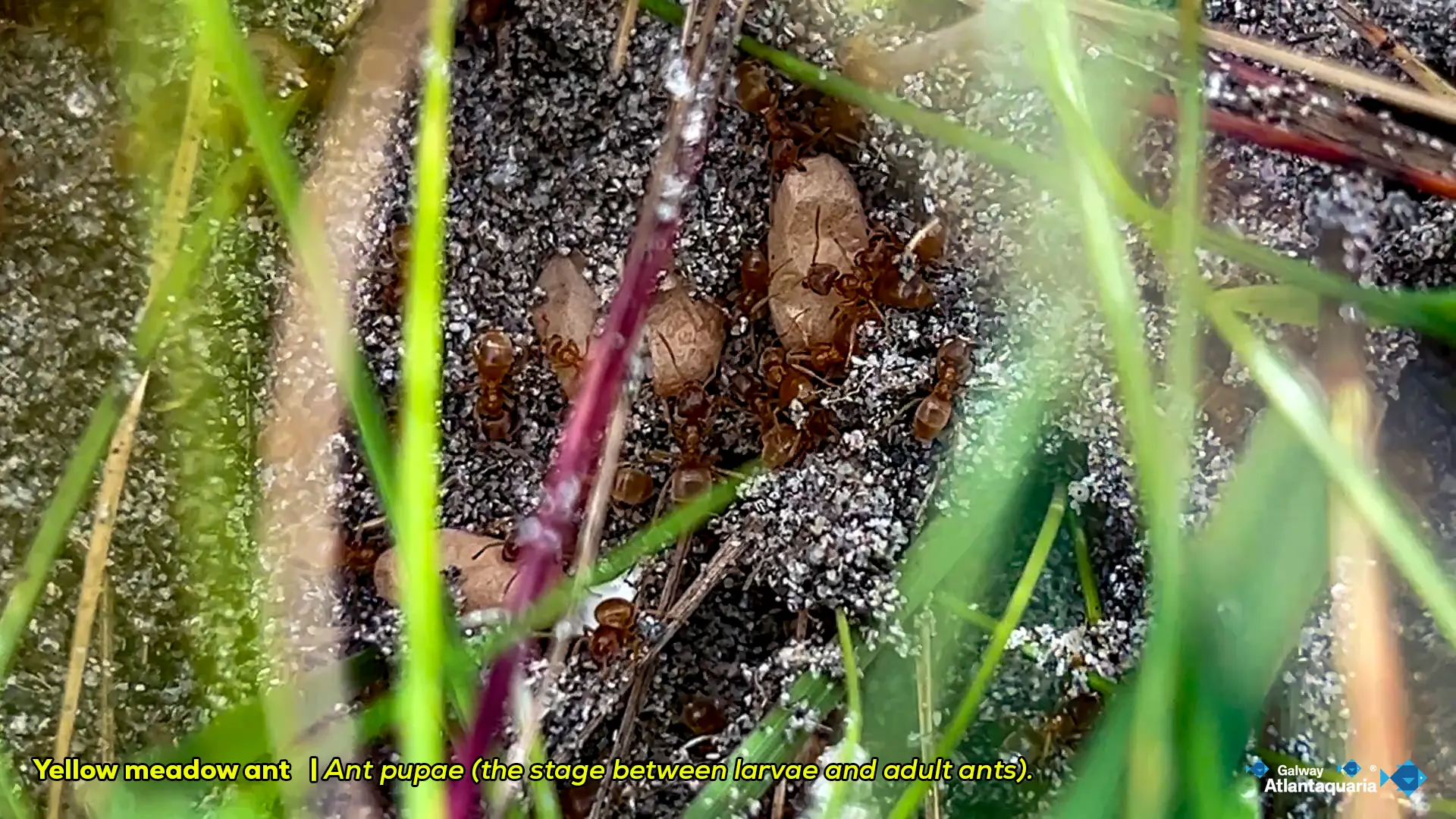
One of the species’ most fascinating adaptations involves the use of their soil mounds as natural solar collectors. During warmer periods, workers transport developing pupae closer to the mound surface, where solar heat accelerates their development into adults. This behaviour allows the colony to take advantage of natural environmental conditions to support growth and reproduction.
A mature colony may contain more than 20,000 workers and several queens. Individual queens can live for over 20 years, producing eggs throughout their lives following a single mating event early in adulthood. Healthy colonies can produce hundreds of new queens each year, with mating flights typically occurring between late August and early September.
Nature’s Underground Farmers
Yellow Meadow Ants are also known for their remarkable relationship with root-feeding aphids. Living entirely underground, the ants protect and manage aphid populations within their tunnel systems. In return, the aphids produce honeydew, a nutrient-rich sugary liquid that serves as a major food source for the colony.
This mutualistic relationship has earned Yellow Meadow Ants the nickname of “nature’s farmers,” as they actively tend and protect their aphid herds in much the same way humans manage livestock.
Are They Dangerous?
No. Yellow Meadow Ants are not considered dangerous to people. During the survey, when the colony detected disturbance, workers responded by moving vulnerable pupae deeper into the nest rather than displaying aggressive behaviour. Their primary concern is protecting the colony rather than defending territory against humans.
Protecting Biodiversity Through Citizen Science
Although the Yellow Meadow Ant is a common native species, its presence can indicate long-established, undisturbed grassland habitat. For this reason, the exact location of the colony is not being publicised, and the discovery is being shared primarily for educational and conservation awareness purposes.
The finding serves as an excellent example of initiatives such as Wetlands for Life and Explore Your Shore! can work together to uncover previously underrecorded wildlife and improve our understanding of local ecosystems.
“If we do not understand the full biodiversity of our shores and coastal habitats, how can we effectively protect them?”
Galway Atlantaquaria encourages members of the public to get involved in citizen science and biodiversity recording through the National Biodiversity Data Centre and the Explore Your Shore! programme. Every observation contributes to a better understanding of Ireland’s natural heritage and helps support future conservation efforts.
Watch the video on YouTube. See: https://www.youtube.com/watch?v=zAkv_tXw8ec
.