
What is a Weever Fish?
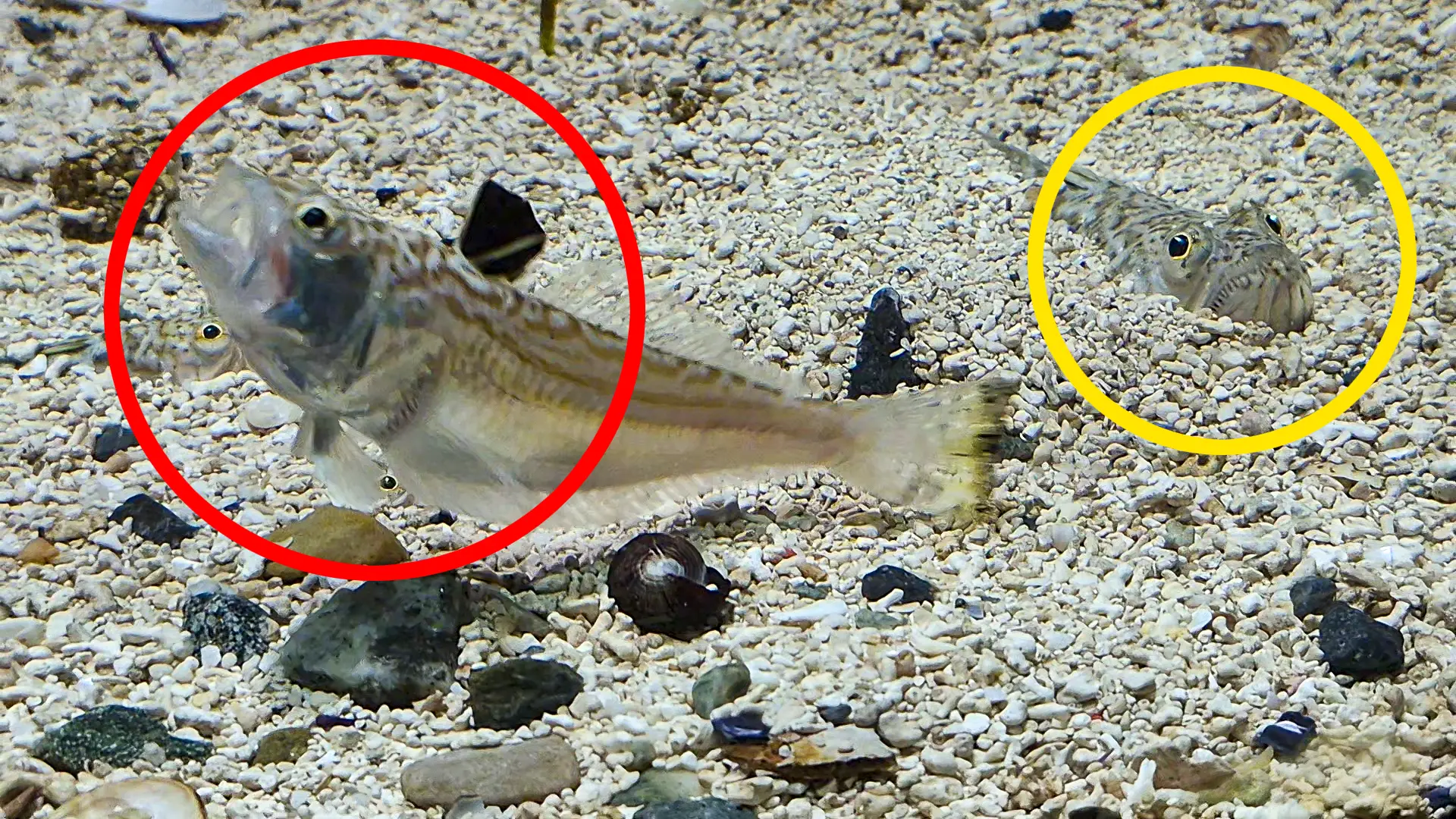
What is a Lesser Weever Fish?
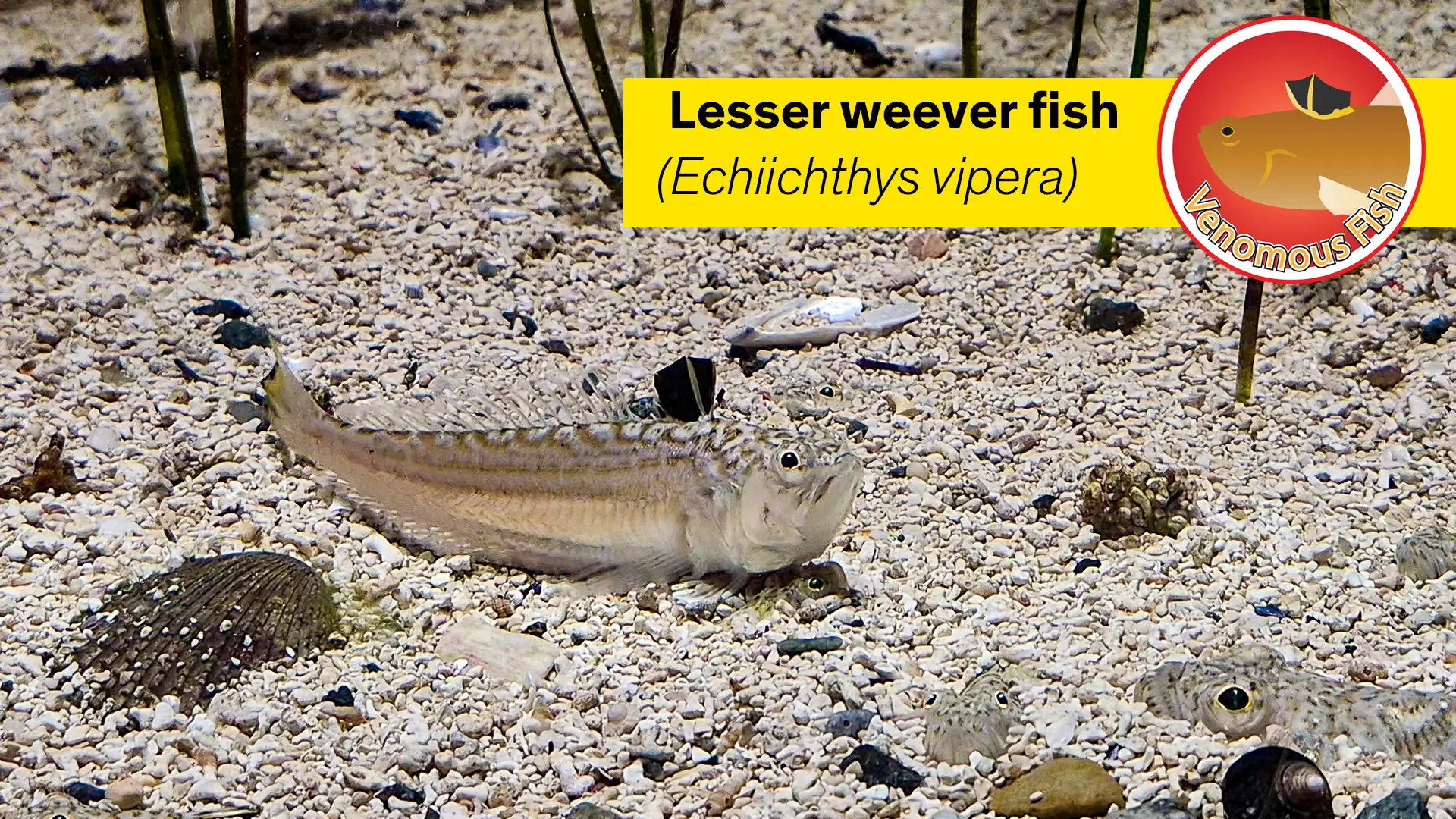
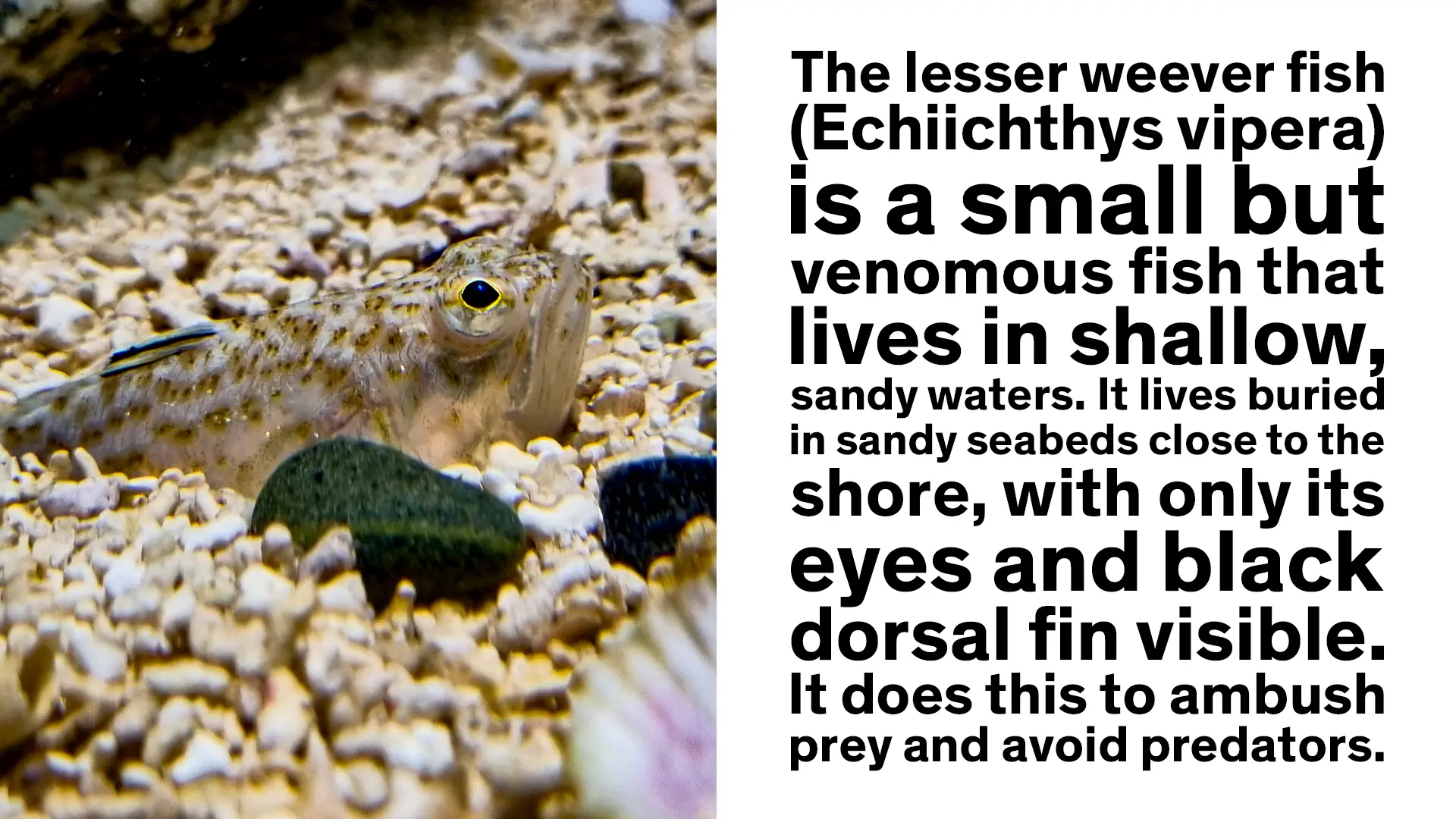
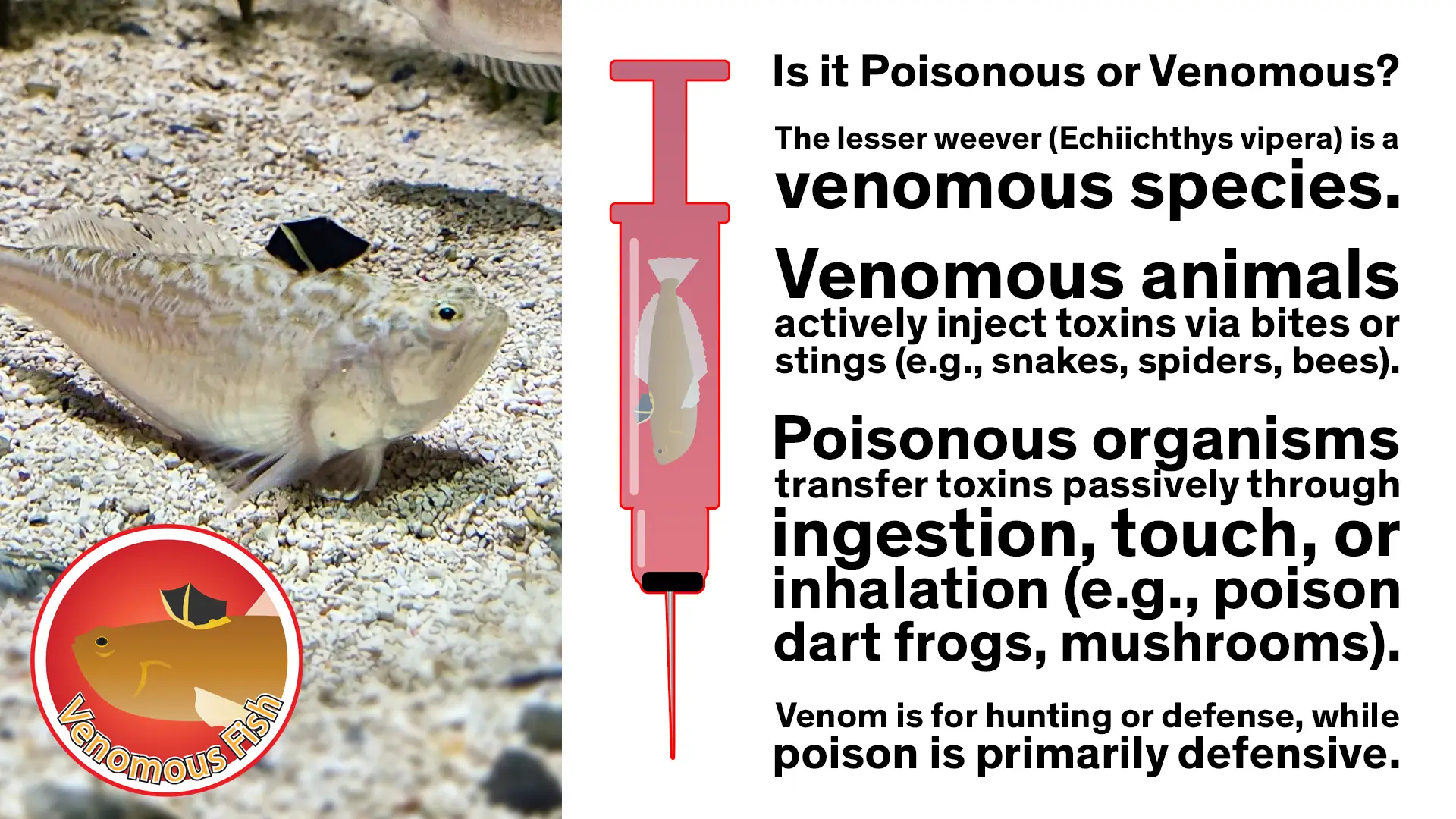
The lesser weever fish (Echiichthys vipera) is a small but venomous fish that lives in shallow, sandy waters. It lives buried in sandy seabeds close to the shore, with only its eyes and black dorsal fin visible. It does this to ambush prey and avoid predators.
The lesser weever fish is an opportunistic/generalistic predator, with a diet that primarily consists of small bottom-dwelling creatures, like crustaceans—specifically Mysidacea (shrimp-like creatures), Amphipoda, and Isopoda. They also consume larval stages of fish and, to a lesser extent, small molluscs.
Its feeding habits can change based on its size and the availability of prey in its surroundings.
LESSER AND GREATER WEEVER SPECIES
The Lesser Weever fish is found in the shallow areas of coastal waters and the Greater Weever fish is found in deeper coastal waters. Both prefer muddy and sandy areas to bury themselves in.
Are they common in Ireland?
Yes, Weevers are found across the Irish coast and most common between May and September when the water temperature rises.
How to avoid a Weever Sting?
To avoid stings, always wear beach shoes in the water. Shuffling your feet to warn fish may lead to more cuts from shells and stones, so proper footwear is the safest option.
How do I know it’s a Weever Sting? (You will know)
So what can we expect?
Initial Sensation: Often mistaken for a sharp rock or shell cut, but the pain intensifies rapidly.
Pain Duration: Intense pain usually lasts for 2-24 hours, though irritation can continue for up to two weeks.
Radiating Pain: The pain often travels up the affected limb.
Systemic Effects: Besides severe localized pain, symptoms can include swelling, itching, numbness, redness, nausea, vomiting, headaches, joint aches, and in rare, severe cases, loss of consciousness.
This means that if you are walking along the sand (May-September), and you get a sharp, intense pain it really can only be the weever.
WHY IS IT SO PAINFUL?
Anecdotally, we have heard the pain is unlike anything you have experienced before, when you learn about the science of the venom it becomes more descriptive!
The venom contains cytolysin, trachinine, as well as serotonin, histamine-realising substances and various enzymes.
The “Cell Destroyer”: Cytolysin
What it does: As the name suggests (“cyto” = cell, “lysin” = to break apart), this substance destroys the cells in the area of the sting.
The “Main Toxin”: Trachinine
What it does: It attacks the nervous system and blood vessels. It contributes to the severe, radiating pain and can cause dizziness, nausea, and fever in serious cases.
The “Pain Intensifiers”: Serotonin and Histamine-releasing substances
The rush of histamine causes the classic inflammatory response: intense itching, a burning sensation, and rapid swelling. It tricks your body into thinking it’s having a severe allergic reaction locally.
In summary: The venom is a highly effective three-part attack:
- Neurotoxins (Serotonin) make your nerves scream in pain immediately.
- Necrotoxins (Cytolysin) start destroying local tissue.
- Spreading factors (Enzymes) clear a path for the venom to move deeper into the flesh.
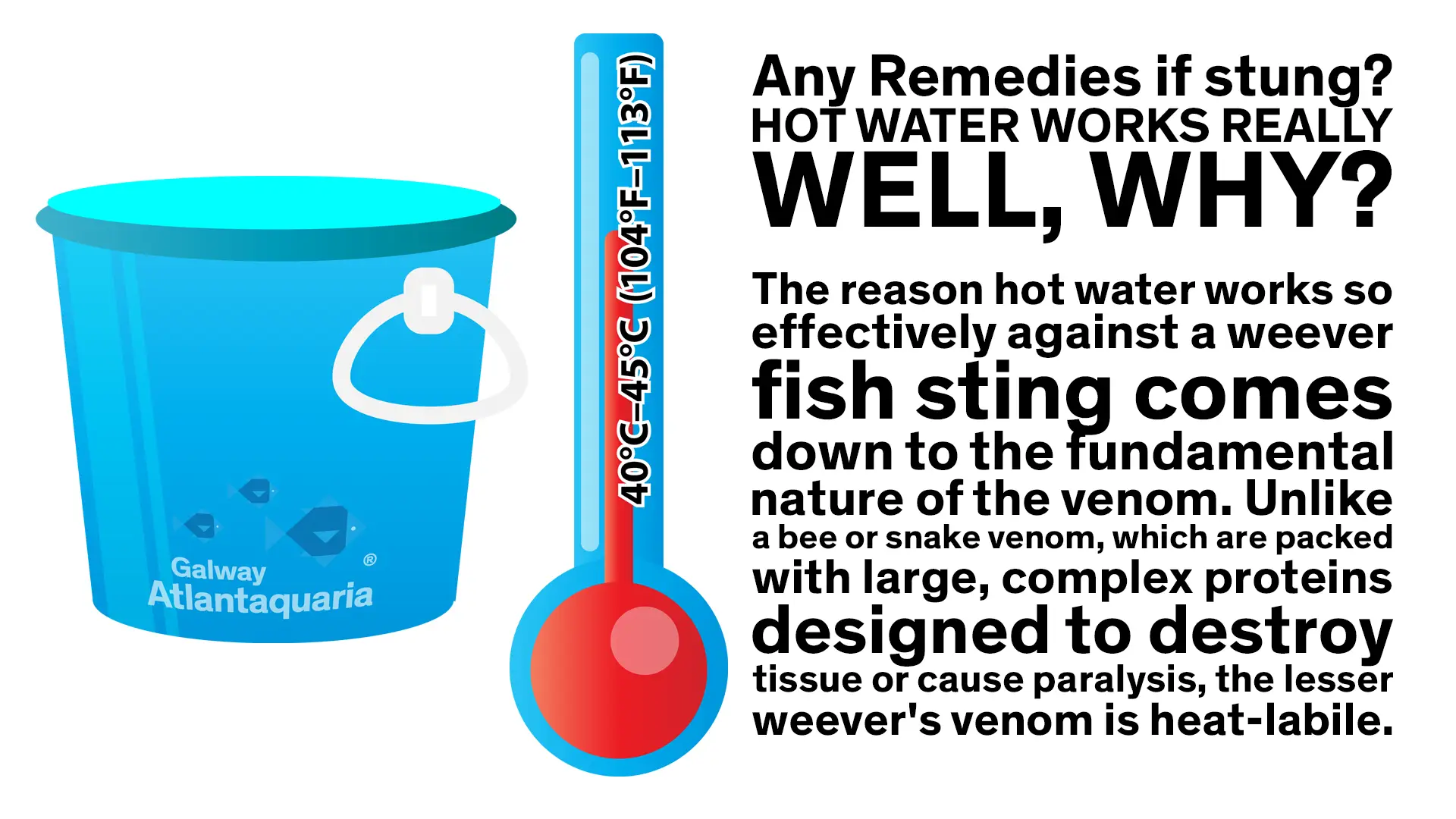
Any Remedies if stung?
HOT WATER WORKS REALLY WELL, WHY?
The reason hot water works so effectively against a weever fish sting comes down to the fundamental nature of the venom. Unlike a bee or snake venom, which are packed with large, complex proteins designed to destroy tissue or cause paralysis, the lesser weever’s venom is heat-labile.
Protein Denaturation (The “Boiling an Egg” Effect)
When you apply heat (around 40°C to 45°C or as hot as the patient can tolerate), you are effectively “cooking” the protein-based toxins.
Just as boiling an egg turns the liquid white into a solid, the heat causes the protein molecules in the venom to unravel and lose their structure. Once denatured, they can no longer interact with your nerve receptors or cells, rendering them harmless.
By denaturing (meaning to destroy the characteristic properties of (a protein or other biological macromolecule by heat, acidity, or other effect which disrupts its molecular conformation).
the enzymes that break down your cells, you stop the local tissue damage from spreading.
While heat doesn’t directly neutralize the histamine already released, it destroys the “spreading factors” (enzymes) that were trying to move the venom deeper. It also degrades the signaling proteins that are screaming “pain!” to your brain.
Heat also causes your blood vessels to widen (vasodilation).
This increases blood flow to the area. While this might sound counter intuitive (spreading the venom), it actually helps dilute the concentrated venom at the sting site and allows your body’s own immune cells to reach the area faster to clean up the destroyed proteins and begin healing.
The hot water acts like a chemical weapon against the sting. It physically destroys the structure of the toxic proteins, stopping the pain signals and the tissue destruction at the source.
This is why immediately immersing the foot in water as hot as you can stand for 30–90 minutes is the medically recommended first aid.
Summary
The lesser weever fish is a small common resident of the sandy shallows, but its venomous spines deliver a sting that can turn a happy beach day into a painful memory. The venom contains toxins that destroy cells, attack nerves, and amplify pain, causing immediate burning, swelling, and in some cases, nausea or dizziness.
However, this knowledge isn’t meant to scare you out of the water or from walking along the shore, it is meant to keep you in it.
The solution is wonderfully simple: wear thin-soled beach shoes or water shoes.
This means that you can enjoy the shoreline with confidence, knowing that a small piece of rubber on your feet is all it takes to keep the sand between your toes and the sting at bay.
You can learn all about these species with a very safe visit to the Aquarium.
.