
Aquarium Book Club, January 2026
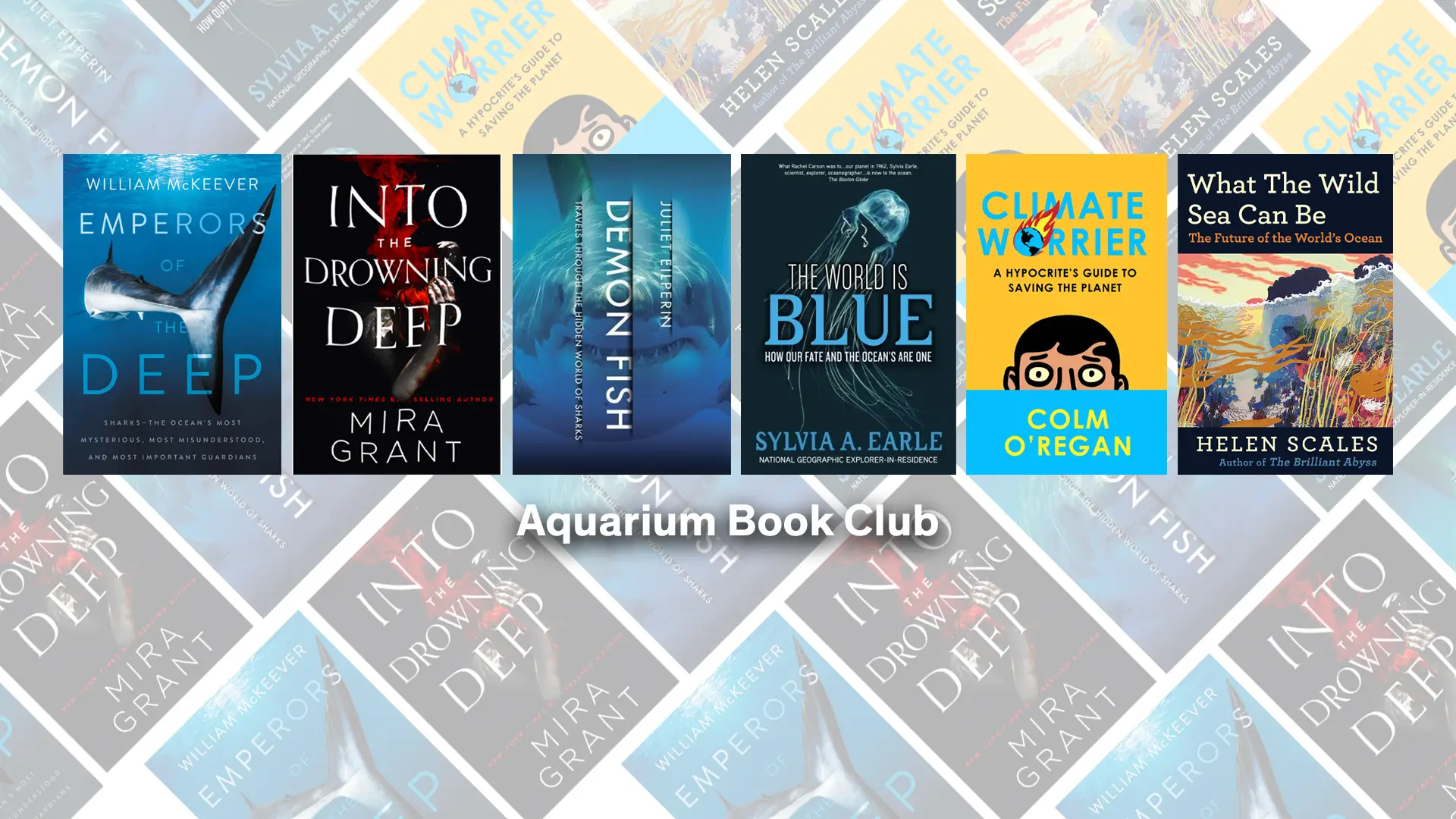
December Good Reads…Conservation & Climate Change
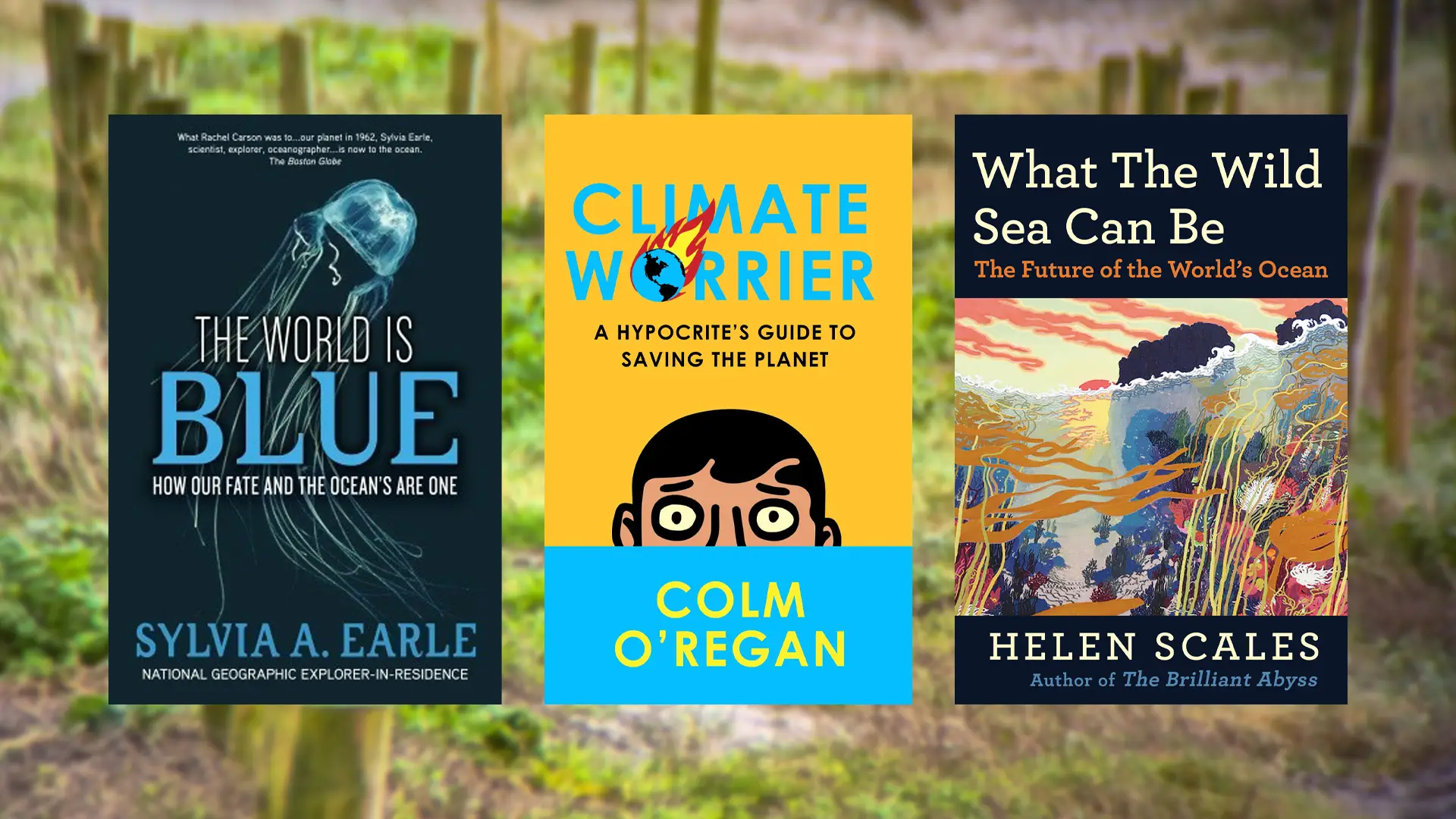
Sylvia Earle is an American marine biologist and important advocate for ocean conservation. In her book The World Is Blue: How Our Fate and the Ocean’s Are One she describes how our health is connected to the health of the ocean.
She describes the impact that human activities have on the ocean: the current state of the ocean, how humans impact the ocean, and what we can do to protect it. Every chapter discusses a different topic that impacts the ocean, from overfishing, pollution and habitat destruction. Her many decades of firsthand experience inform her views on the human impact, and what we can do to minimize the destruction.
Earle is extremely knowledgeable, and has some very sobering information to offer us. However, she stays optimistic throughout and offers solutions to the problem.
Her infectious enthusiasm and accessible writing style makes this book perfect for people who want to know more about the state of the ocean. Reading this book, it is difficult not to feel urged to play your own part to help create a healthy future for our oceans.
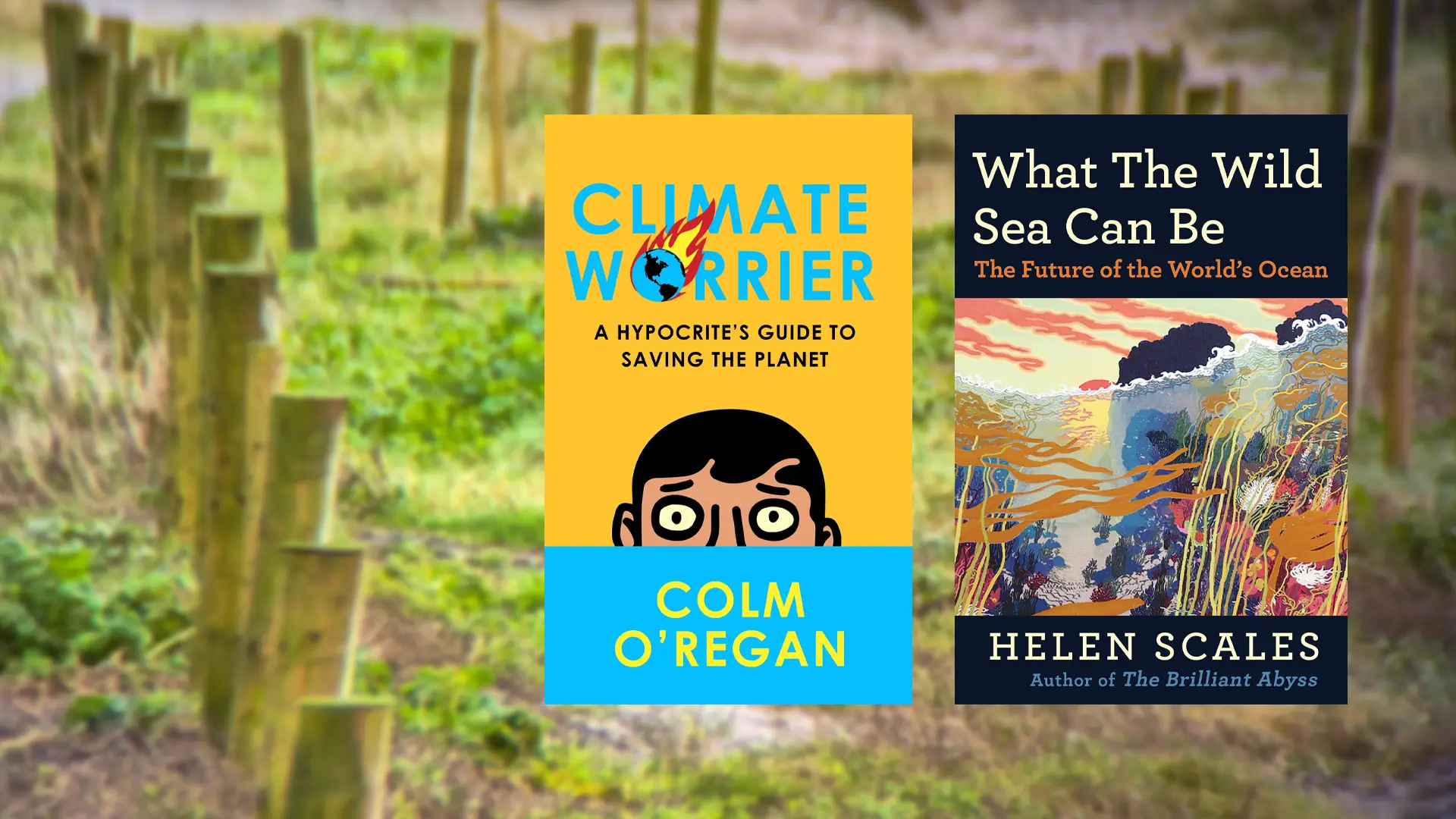
Colm O’Regan is an Irish comedian and writer, so a book about climate change might not be the most logical topic to choose. However, his book Climate Worrier has the subtitle A Hypocrite’s Guide to Saving the Planet, which is an apt title.
O’Regan makes it clear that this is not a scientific book, but rather a personal reflection on his experience grappling with climate change. He talks about growing up on a farm and how frugality, nature and ‘making do’ were all part of his childhood.
With considerable wit and Irish colloquialisms he takes a look at everyday issues that relate to climate change and other natural threats. Many books focus on the negativity and seeming futility of campaigning for a better world, which can leave the reader feeling inadequate about their efforts. O’Regan however, takes a more accessible route. He explores these issues through relatable, daily anxieties, using witty observations and self-deprecating humour to consider the complexities of being ‘a good person’ in the modern world. He acknowledges it is difficult to always make the right decision, but urges you to focus on the good things you are already doing, and the choices you can make that can further your efforts.
Though addressing a serious subject, the book is funny and very relatable. Amongst all the negative and serious books about climate change and the current state of the planet, it is refreshing to find a book that is much lighter in tone, yet still taking the topic seriously. Moreover, it might potentially leave you even feeling a little better about your own contribution after reading it!
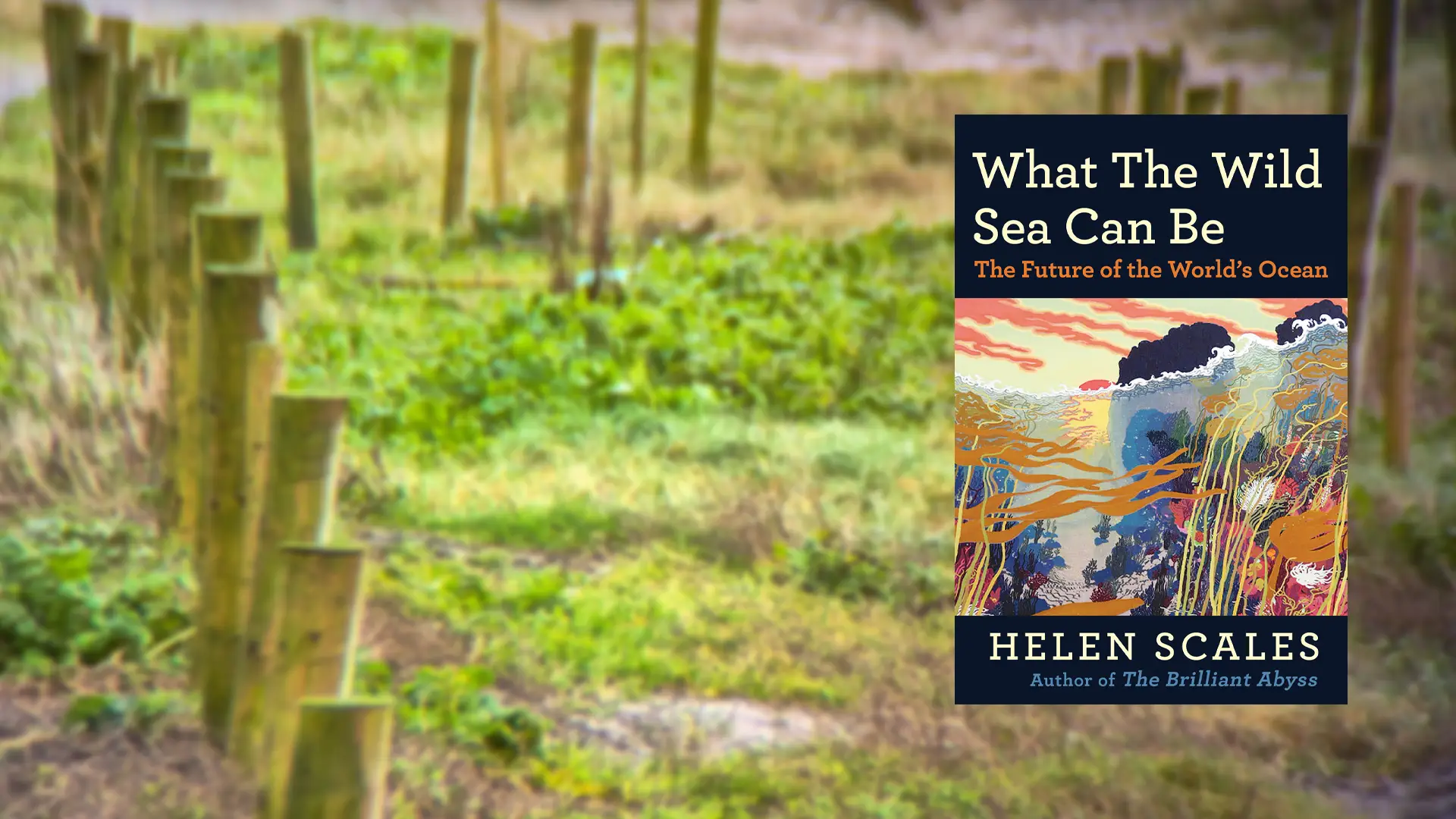
Helen Scales is a marine biologist who has written several books about the ocean. After reading The Brilliant Abyss, which deals with life in the deep ocean I fell in love with deepsea life and with her work and research.
In her book, What the Wild Sea Can Be,Scales addresses the threats to the ocean, but also looks at the potential of recovery and restoration.
Reading about the destruction and unsustainable treatment of the ocean can be very daunting and disheartening, but this book gives a glimpse of hope for the future. Some of the topics she discusses include deep-sea mining, warming waters and ocean pollution. She argues that a fundamental shift in our relationship with the ocean is necessary, moving from exploitation to sustainability. Topics like rewilding efforts, the potential of marine protected areas, and groundbreaking research into climate change resilience within marine ecosystems are some of the hopeful fields that can help us find solutions..
Scales’ writing is informed by her experience and years of research and her style is engaging and accessible, making complex ecological concepts easy to understand. It is a perfect book to get better informed on the current state of the ocean, and moreover, to look at a reason to campaign for its health.
WHAT BOOKS TO READ NEXT?
Next month we will be moving to the giants of the ocean and learn all about cetaceans: the world of dolphins and whales. We will look into echo-location, explore cetacean language and culture, and look at the similarities between humans and whales.
The books I will read are the non-fiction books Spying on Whales by Nick Pyenson, Of Orcas and Men by David Neiwert, Fathoms by Rebecca Giggs and the children’s book The Lost Whale by Hannah Gold.
.